Support our educational content for free when you purchase through links on our site. Learn more
Types of 3D Printers for Home Use [2023]


Welcome to Best 3D Printer Awards™, where we provide informative and engaging content about 3D printers. In this article, we'll explore the different types of 3D printers that are suitable for home use, helping you make an informed decision on which one is right for you.
Table of Contents

- Introduction
- What should I know before buying a 3D printer?
- The Best Types of 3D Printers for Beginners
- The Advantages of Owning a 3D Printer
- The Pros and Cons of 3D Printing
- Other Types of 3D Printing Materials
- A Deep Dive into 3D Printer Types
- FAQ
- Quick Tips and Facts
- Useful Links
- Reference Links
Introduction

Thinking about bringing the world of 3D printing into your home? Well, you've come to the right place! 3D printers have become more accessible and affordable than ever, making them a popular choice for DIY enthusiasts, hobbyists, and even professionals. In this article, we'll cover a range of 3D printers suitable for home use, and help you understand their unique features and capabilities.
What should I know before buying a 3D printer?
Before diving into the world of 3D printing, there are a few key factors to consider. Here are some things to keep in mind before making a purchase:
-
Budget: Determine your budget range. 3D printers come in a wide range of prices, so it's important to establish how much you're willing to invest.
-
Experience Level: Consider your experience with 3D printing. If you're a beginner, you may want to start with a more user-friendly and intuitive device.
-
Intended Use: Define your intended use for the 3D printer. Are you planning to create small prototypes, functional parts, artistic sculptures, or something else? This will help you choose a printer with the right specifications.
-
Supported Materials: Check the compatibility of the printer with different materials. Some printers can handle only certain types of filaments, while others offer more flexibility.
-
Build Volume: Determine the size of the objects you plan to print. The build volume refers to the maximum dimensions of a printable object. Make sure the printer's build volume suits your needs.
-
Software and Connectivity: Evaluate the software and connectivity options. Easy-to-use software and compatibility with various file formats can greatly enhance your 3D printing experience.
The Best Types of 3D Printers for Beginners
For beginners, it's essential to start with a user-friendly 3D printer that provides a seamless learning experience. Here are three types of 3D printers often recommended for beginners:
-
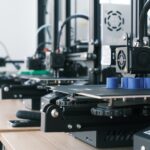
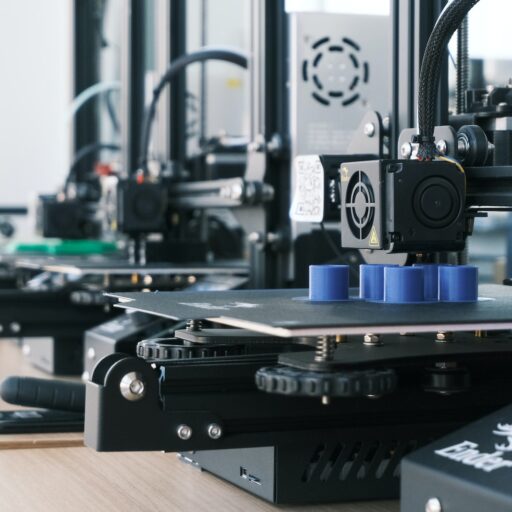
FDM/FFF Printers: Fused Deposition Modeling (FDM) or Fused Filament Fabrication (FFF) printers are the most common and affordable 3D printers on the market. They work by melting a plastic filament and layering it to create objects. FDM/FFF printers are known for their ease of use, wide material compatibility, and relatively low cost. They are a great entry point for beginners who want to explore 3D printing without breaking the bank.
-
DLP/SLA Printers: Digital Light Processing (DLP) and Stereolithography (SLA) printers are based on resin curing using light. They produce high-resolution prints with smooth surfaces, making them suitable for creating detailed objects, jewelry, and miniatures. However, DLP/SLA printers can be more expensive than FDM/FFF printers and require additional precautions when handling resin.
-
SLS Printers: Selective Laser Sintering (SLS) printers use a laser to fuse powdered materials, such as nylon, to create objects. SLS printers offer excellent print quality and don't require support structures during printing. However, they are typically more expensive and less beginner-friendly compared to FDM/FFF or DLP/SLA printers.
The Advantages of Owning a 3D Printer
Owning a 3D printer brings a multitude of benefits to your creative endeavors. Here are a few advantages of having a 3D printer at home:
-
Unlimited Design Possibilities: With a 3D printer, you have the power to turn your ideas into reality. You can create unique, personalized objects or prototypes that perfectly match your vision.
-
Cost Savings: 3D printing reduces the cost of prototyping and small-scale production. Instead of outsourcing or buying expensive tools, you can create parts and objects on-demand, saving time and money.
-
Customization: Tailor-made objects are now within reach. Whether it's custom phone cases, jewelry, or household gadgets, 3D printing allows you to personalize items to your exact liking.
-
Educational Value: 3D printing provides an engaging and hands-on learning experience. It encourages problem-solving skills, creativity, and understanding of design principles.
But, as with any technology, there are also a few downsides to be aware of.
The Pros and Cons of 3D Printing
Let's take a closer look at the pros and cons of 3D printing.
Pros:
-
Cost-Effective Prototyping: 3D printing enables rapid prototyping, reducing the time and costs associated with traditional manufacturing methods.
-
Creative Freedom: With a 3D printer, you have the freedom to design and create objects that may not be feasible through other means. The only limit is your imagination.
-
Accessibility: 3D printers are becoming more affordable and user-friendly, making them accessible to a wider audience.
Cons:
-
Limited Speed: 3D printing takes time, especially for complex objects or high-resolution prints. Patience is key when waiting for your creations to materialize.
-
Material Limitations: While 3D printers can handle a variety of materials, some may not be suitable for certain printers. It's important to choose a printer that supports the materials you want to work with.
-
Learning Curve: Mastering 3D printing requires a learning curve. From understanding design principles to troubleshooting technical issues, it may take some time to become proficient.
Other Types of 3D Printing Materials
Apart from the standard plastic filaments used in FDM/FFF printers, there are a variety of other materials and filaments available for 3D printing. Here are a few notable ones:
-
PLA: Polylactic Acid (PLA) is a popular and biodegradable filament commonly used in FDM/FFF printers. It is known for its ease of use, low warping, and vibrant color options.
-
ABS: Acrylonitrile Butadiene Styrene (ABS) is another commonly used filament in 3D printing. It offers higher strength and durability compared to PLA but requires a heated print bed to prevent warping.
-
PETG: Polyethylene Terephthalate Glycol (PETG) combines the best characteristics of PLA and ABS. It is easier to print than ABS and offers good strength and temperature resistance.
-
Nylon: Nylon is a versatile filament used in SLS printers. It provides excellent strength, flexibility, and durability. Nylon prints have various industrial applications, including functional prototypes and mechanical parts.
-
Wood, Metal, and Composite Filaments: There are also filaments available that contain wood fibers, metallic particles, or other additives. These filaments can produce objects with unique textures and properties, mimicking the appearance and feel of wood, metal, or other materials.
A Deep Dive into 3D Printer Types
Now, let's take a deeper look into specific types of 3D printers and their key features:
-
FDM/FFF Printers: As mentioned earlier, FDM/FFF printers are the most common and affordable type of 3D printers for home use. They work by melting a plastic filament and extruding it layer by layer to create objects. FDM/FFF printers are known for their ease of use, wide material compatibility, and sturdy construction. They can handle a wide range of filament materials, including PLA, ABS, PETG, and more. This versatility makes FDM/FFF printers suitable for beginners and experienced users alike.
-
DLP/SLA Printers: DLP and SLA printers use liquid resin that is cured layer by layer using light. These printers are capable of producing high-resolution prints with intricate details and smooth surfaces. The main difference between DLP and SLA lies in the light source: DLP printers use digital micromirrors to project the image, while SLA printers use a laser or UV light. DLP/SLA printers are ideal for applications that require high precision and fine details, such as jewelry making, dentistry, or miniatures.
-
SLS Printers: Selective Laser Sintering (SLS) printers are often used in industrial applications but are also available for home use. These printers use a laser to fuse powdered materials, such as nylon or metal, layer by layer. SLS printers excel in producing complex, functional, and durable parts without the need for support structures. However, they typically require a higher budget and more technical expertise due to the complex nature of the printing process.
-
Multipurpose Printers: Some 3D printers offer multiple printing technologies in one machine, allowing users to switch between FDM, DLP/SLA, or other methods depending on their needs. These multipurpose printers provide versatility and flexibility for users who want to explore different printing techniques without investing in multiple devices.
FAQ
What are 4 types of 3D printers?
The four main types of 3D printers are:
- FDM/FFF printers
- DLP/SLA printers
- SLS printers
- Multipurpose printers that combine different technologies.
What are the easiest 3D printers to use?
The easiest 3D printers for beginners are typically FDM/FFF printers due to their user-friendly nature and wide compatibility with materials. These printers are often ready to use out of the box and come with intuitive software.
What would I use a 3D printer for at home?
At home, you can use a 3D printer for a variety of purposes, including:
- Creating custom decorations and accessories
- Prototyping inventions or product designs
- Repairing or replacing broken parts
- Personalizing gifts or toys
Quick Tips and Facts
-
Maintenance: Regularly clean the print bed, replace worn-out nozzles or resin tanks (for SLA or DLP printers), and perform calibrations to ensure optimal performance.
-
Safety Precautions: Follow proper safety precautions, such as using ventilation when working with certain materials, wearing gloves when handling resin, and keeping the printer away from children and pets.
-
Online Communities: Join online forums and communities dedicated to 3D printing to gain knowledge, share experiences, and troubleshoot any issues that may arise.
Useful Links
- Best 3D Printer Awards™
- Amazon 3D Printers
- Walmart 3D Printers
- Best Buy 3D Printers
- Etsy 3D Printed Products
- 3D Printing on Wikipedia
Reference Links