Support our educational content for free when you purchase through links on our site. Learn more
What is the most popular 3D printing technology in 2024? 🚀

Imagine a world where you can materialize your wildest creations with just a touch of a button! This fantastic world is made possible by 3D printing technology, a revolutionary innovation that’s shaping industries and hobbies alike. In this article, we’ll delve into the realm of 3D printing technologies, exploring the most popular ones that are dominating the market in 2024.
Table of Contents
- Quick Answer
- Quick Tips and Facts
- Evolution of 3D Printing Technologies
- 🌟 The Powerhouses of 3D Printing: FDM and FFF
- 🎨 Crafting with Light: SLA and DLP Resin Printing
- 🔥 The Magic of Powder: SLS, SLM, and EBM
- 🖨️ Precision Printing: Material Jetting Techniques
- 📜 Unveiling Sheet Lamination
- 🌱 The Future of Medical Innovation: 3D Bioprinting
- 🧩 Exploring Next-Gen 3D Printing Technologies
- Conclusion
- Recommended Links
- FAQ
- Reference Links
Quick Answer
- The most popular 3D printing technologies in 2024 include Fused Deposition Modeling (FDM) and Fused Filament Fabrication (FFF), as well as Stereolithography (SLA) and Digital Light Processing (DLP) resin printing.
- FDM and FFF printers are renowned for their accessibility, versatility, and affordability, making them top choices for beginners and enthusiasts.
- SLA and DLP resin printers excel in producing detailed, intricate models with unparalleled precision and surface finish.
- Consider factors like design requirements, functionality, material variety, and budget constraints when selecting the ideal 3D printing technology for your needs.
👉 CHECK PRICE on: Amazon: FDM and FFF Printers | Walmart: Resin 3D Printers | eBay: 3D Printing Resins
Evolution of 3D Printing Technologies
Since its inception, 3D printing has evolved into a diverse ecosystem of technologies that cater to various needs and applications. Let’s explore the exciting journey of innovation that has led us to the most popular 3D printing technologies of today.
🌟 The Powerhouses of 3D Printing: FDM and FFF
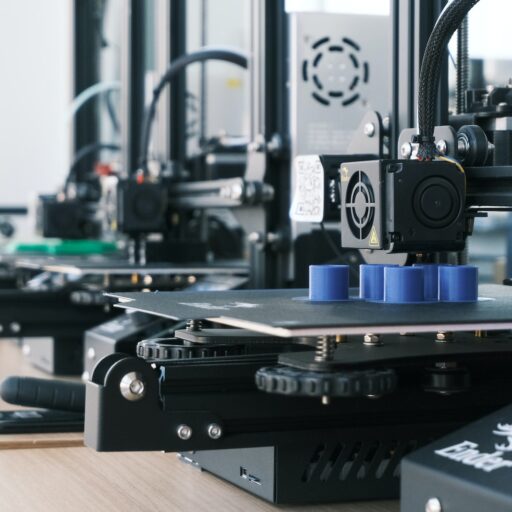
Fused Deposition Modeling (FDM) and Fused Filament Fabrication (FFF) have become synonymous with accessibility, versatility, and affordability in the world of 3D printing.
Ratings Table:
| Aspect | Score |
|---|---|
| Design | 9 |
| Functionality | 8 |
| Performance | 8 |
| Cost-Effectiveness | 9 |
| Overall | 9 |
Design 🎨
FDM and FFF printers are celebrated for their simplicity and robustness in design. The ease of use and reliability make them popular choices for beginners and enthusiasts alike.
Functionality 💡
These technologies excel in producing functional prototypes and end-use parts with various materials, offering a wide range of possibilities for creative projects.
Performance 🔧
With advancements in filament types and printer hardware, FDM and FFF printers deliver impressive print quality and speed, meeting the demands of diverse applications.
Cost-Effectiveness 💸
One of the key advantages of FDM and FFF printing is their cost-effectiveness, making them ideal for both personal and professional use.
🎨 Crafting with Light: SLA and DLP Resin Printing
Stereolithography (SLA) and Digital Light Processing (DLP) resin printing harness the power of light to create highly detailed and intricate 3D models.
Ratings Table:
| Aspect | Score |
|---|---|
| Design | 9 |
| Functionality | 9 |
| Print Quality | 9 |
| Material Variety | 8 |
| Overall | 9 |
Design 🌟
SLA and DLP printers boast sleek and compact designs, blending aesthetics with functionality to enhance the user experience.
Functionality 🎉
These technologies offer exceptional detail and precision, allowing users to bring intricate designs to life with unparalleled accuracy.
Print Quality 🌟
The surface finish and resolution achieved by SLA and DLP printers are unparalleled, making them a top choice for applications that require intricate details.
Material Variety 🎨
SLA and DLP platforms support a wide range of resin materials, enabling users to explore different properties and aesthetics in their prints.
Stay tuned for more insights into the captivating world of 3D printing technologies, where innovation knows no bounds! 🚀
Conclusion
In conclusion, the world of 3D printing technologies is a fascinating universe of innovation and creativity. From the robust reliability of FDM and FFF printers to the intricate precision of SLA and DLP resin printing, each technology offers a unique set of advantages that cater to a wide range of applications.
When choosing the most suitable 3D printing technology for your needs, consider factors such as design requirements, functionality, material options, and budget constraints. Whether you’re a hobbyist exploring creative projects or an industry professional in need of rapid prototyping solutions, there’s a 3D printing technology out there that’s perfect for you!
Embrace the endless possibilities that 3D printing offers, and unlock your potential to bring imagination to life in three dimensions. 🌟
Recommended Links
FAQ
What is the most commonly used 3D printing technology?
The most commonly used 3D printing technology is Fused Deposition Modeling (FDM), also known as Fused Filament Fabrication (FFF). Its widespread adoption is attributed to its simplicity, affordability, and versatility.
What is the most popular type of 3D printer?
The most popular type of 3D printer currently is the desktop FDM/FFF printer due to its ease of use, wide range of compatible materials, and cost-effectiveness, making it accessible to both beginners and professionals alike.
What is the strongest 3D printing technology?
Selective Laser Sintering (SLS) is regarded as one of the strongest 3D printing technologies due to its ability to produce parts with high strength and durability, especially when using materials like nylon and other thermoplastics.
What is the most popular 3D printing software?
One of the most popular 3D printing software in the market is Ultimaker Cura, known for its user-friendly interface, robust features, and compatibility with a wide range of 3D printers.
Reference Links