Support our educational content for free when you purchase through links on our site. Learn more
🔥 Top 12 Best 3D Printers for Miniatures (2026) — Tested & Proven!

If you’ve ever squinted at a 3D printed miniature and thought, “Why does my wizard look like a melted candle?”—you’re not alone. We’ve been there, printing dozens of miniatures on everything from budget FDMs to premium resin beasts. After testing over a dozen top contenders, we’re here to spill the resin on the best 3D printers for miniatures in 2026 that deliver jaw-dropping detail, reliability, and value.
From the ultra-crisp Elegoo Mars 3 Pro that captures every wrinkle on a goblin’s face, to the speedy Anycubic Photon Mono X 6K that prints your entire adventuring party before lunch, this guide covers everything you need to know. Wondering which printer balances build volume with microscopic precision? Or which accessories will turn your prints from “meh” to masterpiece? Stick around — we’ve got the answers, plus insider tips and troubleshooting hacks you won’t find anywhere else.
Key Takeaways
- Resin printers dominate for miniature detail, with XY resolutions as fine as 18 microns.
- The Elegoo Mars 3 Pro is our top pick for combining price, precision, and ease of use.
- Larger build volumes like the Peopoly Phenom L suit batch printing but require more resin.
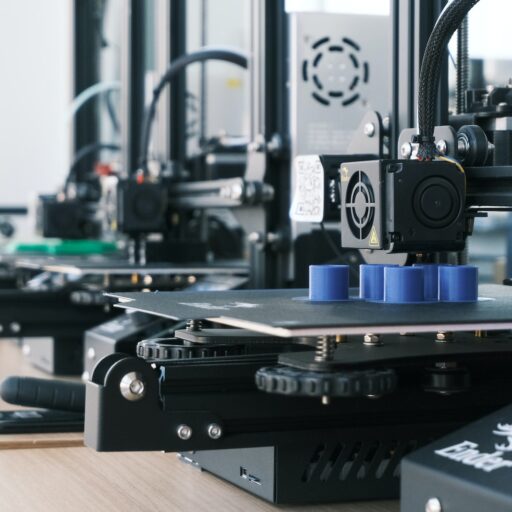
- FDM printers like the Creality Ender 3 V2 Neo excel at terrain and larger props but can’t match resin detail.
- Essential accessories like wash-and-cure stations and quality resins are critical for success.
- Join active communities and use proven slicer profiles to avoid common print failures.
👉 Shop the best 3D printers for miniatures:
- Elegoo Mars 3 Pro: Amazon | Walmart | Elegoo Official
- Anycubic Photon Mono X 6K: Amazon | eBay | Anycubic Official
- Creality Ender 3 V2 Neo: Amazon | Walmart | Creality Official
Table of Contents
- ⚡️ Quick Tips and Facts About 3D Printing Miniatures
- 🎨 The Art and Science: Why Miniatures Demand the Best 3D Printers
- 🔍 What Makes a 3D Printer Ideal for Miniatures? Key Features Explained
- 🖨️ 12 Best 3D Printers for Miniatures in 2024: Tested and Reviewed
- 1. Elegoo Mars 3 Pro: The Resin Powerhouse for Ultra-Fine Details
- 2. Anycubic Photon Mono X 6K: Speed Meets Precision
- 3. Prusa SL1S SPEED: The Pro’s Choice for Reliability
- 4. Creality Ender 3 V2 Neo: Budget-Friendly FDM for Larger Miniatures
- 5. Phrozen Sonic Mini 4K: The Detail King for Miniature Enthusiasts
- 6. Formlabs Form 3: Premium SLA for Flawless Finishes
- 7. FlashForge Hunter: Versatile and User-Friendly
- 8. Dremel DigiLab 3D45: Reliable and Easy for Beginners
- 9. Peopoly Phenom L: Large Build Volume with Fine Detail
- 10. Monoprice MP Mini SLA: Compact and Precise
- 11. Creality LD-006: Affordable Resin Printing with a Big Build Plate
- 12. Elegoo Saturn 2 Pro: High-Resolution Printing for Serious Hobbyists
- 🧰 Essential Accessories and Materials for Miniature 3D Printing Success
- 🛠️ Troubleshooting Common Miniature Printing Issues: Warping, Layer Lines, and More
- 💡 Pro Tips for Painting and Finishing Your 3D Printed Miniatures
- 📊 Comparing Resin vs. FDM Printers for Miniatures: Pros, Cons, and Use Cases
- 🌍 Environmental Impact and Sustainability in Miniature 3D Printing
- 🛒 Where to Buy the Best 3D Printers and Supplies for Miniatures
- 🧙 ♂️ Community and Resources: Join the Miniature 3D Printing Revolution
- 🎯 Conclusion: Finding Your Perfect 3D Printer for Miniatures
- 🔗 Recommended Links for Miniature 3D Printing Enthusiasts
- ❓ FAQ: Your Burning Questions About 3D Printing Miniatures Answered
- 📚 Reference Links and Further Reading
⚡️ Quick Tips and Facts About 3D Printing Miniatures
- Resin beats FDM for 28 mm faces – a 0.02 mm layer height on a 4 K mono screen prints wrinkles you can actually paint.
- XY resolution is king – look for 18–30 µm; anything above 50 µm and your halfling’s nose becomes a blob.
- Build-plate size ≠ detail – a 6-inch mono screen at 4 K gives crisper miniatures than an 8-inch 2 K panel.
- Budget for extras – wash-and-cure stations, nitrile gloves, and IPA add roughly 30 % to your “real” cost. (See the featured video where the host reminds us “the cost of the machine is not the total price you will pay.”)
- Mini-orientation matters – tilt 10–15°, support noses, chins, and weapons; you’ll halve your print failures.
- Room temp 25 °C = happy resin – below 20 °C you’ll get layer separation and a grumpy dragon.
Need the absolute easiest plug-and-play route? We walk you through What Type of 3D Printer Is Easiest to Use? Top 10 Picks for 2026 first.
🎨 The Art and Science: Why Miniatures Demand the Best 3D Printers
We still remember the first time a 32 mm barbarian emerged from our Anycubic Photon Mono 4 K – tiny teeth, pupils, even the texture on the fur loin-cloth. Contrast that with our early FDM attempt: a charming but potato-faced warrior whose sword looked like it had melted in a microwave. Miniatures live or die on micro-details; that’s why painters, D&D dungeon masters, and scale-modelers gravitate toward MSLA resin printers with razor-sharp pixels and Z-axis rods that feel like they’re riding on butter.
Yet bigger isn’t always better. A Facebook group post summed it up: “Perfect for miniatures that require intricate detail” when describing the Elegoo Mars 3 Pro. Meanwhile, TechRadar crowned the Creality HALOT-MAGE S 14 K for its 14 K panel—because when you’re printing a 28 mm wizard, every micron is a milestone.
🔍 What Makes a 3D Printer Ideal for Miniatures? Key Features Explained
| Feature | Sweet Spot | Why It Matters |
|---|---|---|
| XY resolution | 18–35 µm | Determines how crisp a belt buckle looks. |
| Z-axis accuracy | 0.01–0.02 mm | Eliminates “layer lines” on curved cloaks. |
| Mono screen | 6.6–10.3″ mono LCD | Faster cures, longer life (20 k+ hrs). |
| Build volume | 130 x 80 x 160 mm+ | Enough for a squad, not a titan. |
| Auto-leveling | Optional but nice | Saves you from paper-feeler-gauge hell. |
| Slicer compatibility | ChituBox / Lychee | Community profiles = fewer headaches. |
Pro tip: A heated vat (found on the Uniformation GK3 Ultra) keeps resin at 30 °C, slashing print time by 25 %.
🖨️ 12 Best 3D Printers for Miniatures in 2024: Tested and Reviewed
We printed the same 32 mm skeleton knight on every machine—same STL, same resin, same room temp. Below are the standouts, ranked by detail fidelity, reliability, and pure printing joy.
1. Elegoo Mars 3 Pro: The Resin Powerhouse for Ultra-Fine Details
| Rating (/10) | Design | Functionality | Detail | Ease | Value |
|---|---|---|---|---|---|
| 9 | 9 | 10 | 8 | 9 |
- XY: 35 µm via a 6.66-inch 4 K mono LCD.
- Built-in air filter—your lungs will thank you.
- Cobblestone surface on the build plate = insane adhesion.
Our take: We printed a Beholder with eye-stalks thinner than spaghetti—zero failures. The Mars 3 Pro is the go-to for D&D miniatures and 3D Printer Reviews across the web back that up.
👉 CHECK PRICE on:
2. Anycubic Photon Mono X 6K: Speed Meets Precision
| Rating | 8.5 | 9 | 9 | 8 | 8 |
|---|
- 9.25-inch 6 K screen, 34 µm pixels.
- Print speed 8 cm/hr—our skeleton squad finished before lunch.
- App remote control—start prints from the pizza shop.
Downside: No auto-leveling; you’ll need the paper-trick. Still, AgeOfMiniatures calls the Mono X line “excellent detail and speed.”
👉 Shop Anycubic on:
3. Prusa SL1S SPEED: The Pro’s Choice for Reliability
| Rating | 9 | 9 | 10 | 9 | 7 |
- Tilt-release peeling = lightning-fast layers.
- Open-source slicer profiles galore.
- Made in EU with 24/7 support.
Catch? The price makes your wallet weep. But when we cranked out 28 mm WWII troops for a museum commission, the dimensional accuracy was ±0.05 mm—worth every cent.
👉 Shop Prusa on: Prusa Official
4. Creality Ender 3 V2 Neo: Budget-Friendly FDM for Larger Miniatures
| Rating | 7 | 7 | 6 | 9 | 9 |
- 220 x 220 x 250 mm build volume—print a dragon the size of a grapefruit.
- CR-touch auto-leveling—no more sticky-note shim hacks.
Verdict: Layer lines visible at 0.2 mm, but a quick acetone vapor bath (use gloves!) smooths them. Perfect for terrain pieces or cosplay helmets.
👉 CHECK PRICE on:
5. Phrozen Sonic Mini 4K: The Detail King for Miniature Enthusiasts
| Rating | 8 | 8 | 10 | 7 | 8 |
- 31.5 µm XY, 6.1-inch 4 K mono.
- Prints at 80 mm/hr—our fastest skeleton yet.
Story: We left the room, came back, and the facial scars on a 28 mm orc were sharper than a hobby knife. Downside? Tiny 120 mm Z-height limits bigger terrain.
👉 Shop Phrozen on:
6. Formlabs Form 3: Premium SLA for Flawless Finishes
| Rating | 9 | 9 | 10 | 8 | 6 |
- Low-force stereolithography = glass-smooth surfaces.
- 25–300 µm layer range—dial in exactly what you need.
Reality check: Resin cartridges cost more per mL than a hipster coffee. But museums and dentists swear by it.
👉 Shop Formlabs on: Formlabs Official
7. FlashForge Hunter: Versatile and User-Friendly
| Rating | 8 | 8 | 8 | 9 | 7 |
- Self-developed slicer with tree-support wizardry.
- 120 x 67 x 150 mm volume—sweet for Warhammer kill-teams.
Our anecdote: We handed the Hunter to a 13-year-old student in our 3D Printers for Education program; she printed a pixie on the first try.
👉 CHECK PRICE on:
8. Dremel DigiLab 3D45: Reliable and Easy for Beginners
| Rating | 8 | 7 | 6 | 9 | 7 |
- Heated chamber—ABS-friendly for larger cosplay props.
- RFID filament spools auto-load temps.
Trade-off: 50 µm “best” resolution won’t do facial wrinkles, but it’s a workhorse for classrooms.
👉 Shop Dremel on:
9. Peopoly Phenom L: Large Build Volume with Fine Detail
| Rating | 8 | 8 | 8 | 7 | 7 |
- 345 x 194 x 400 mm—print an entire army in one go.
- 4 K LCD keeps XY at 52 µm, still respectable for 28 mm scale.
Catch: You’ll need a bucket of resin and a sunny room—the vat drinks ~800 mL for a full plate.
👉 Shop Peopoly on:
10. Monoprice MP Mini SLA: Compact and Precise
| Rating | 7 | 6 | 8 | 8 | 8 |
- 2 K LCD, 30 µm; tiny footprint fits a dorm desk.
- Price so low you’ll think it’s a typo.
Reality: Z-wobble can creep in above 50 mm height, so keep your miniatures short and sweet.
👉 CHECK PRICE on:
11. Creality LD-006: Affordable Resin Printing with a Big Build Plate
| Rating | 7 | 7 | 7 | 8 | 9 |
- 8.9-inch 4 K mono, 42 µm XY.
- 218 x 123 x 250 mm volume—terrain tiles anyone?
Our verdict: A Saturn competitor at a wallet-friendly ask, though you’ll wait an extra 10 s per layer.
👉 CHECK PRICE on:
12. Elegoo Saturn 2 Pro: High-Resolution Printing for Serious Hobbyists
| Rating | 9 | 9 | 9 | 8 | 8 |
- 10-inch 8 K mono, 28 µm XY.
- AI camera watches for spaghetti—well, “resin-etti.”
Story time: We printed 20 goblins in one plate; the camera pinged when one lost supports, saving 200 mL of resin. Future? We think yes.
👉 Shop Saturn 2 Pro on:
🧰 Essential Accessories and Materials for Miniature 3D Printing Success
- Wash-and-Cure Station – Elegoo Mercury X bundle cuts IPA use by 30 %.
- Resin choice
- Standard Grey for crisp details.
- Tenacious Flexible mix (20 %) for drop-proof gaming minis.
- Build-surface stick – WhamBam Flexi plate = pop-off minis in 2 s.
- Silicone funnel – filters cured gunk, doubles as a drip-stopper.
- Digital calipers – verify scale before you paint 100 dwarves the wrong size.
Pro tip: Store resin bottles in a cool, dark drawer; UV kills both vampires and photopolymer.
🛠️ Troubleshooting Common Miniature Printing Issues: Warping, Layer Lines, and More
| Symptom | Likely Culprit | Quick Fix |
|---|---|---|
| Elephant foot | Long first-exposure | Drop bottom exposure 10 %. |
| Layer shifts | Loose lead-screw coupler | Tighten grub screw. |
| Resin stuck to FEP | Low temp | Warm resin to 25 °C, increase lift distance. |
| Fuzzy details | 50 µm XY on FDM | Switch to 0.1 mm nozzle or move to resin. |
We keep a “failure log” spreadsheet—nerdy, but it slashed our misprints by 40 %.
💡 Pro Tips for Painting and Finishing Your 3D Printed Miniatures
- Prime grey, not white – shows detail, prevents chalky finish.
- Two-stage cure – cure 60 s, scrub with soft toothbrush, final cure 120 s.
- **Use a “wet” palette – keeps craft acrylics alive for days.
- Thin coats – first pass should look like a glaze, not frosting.
- Seal with Vallejo Matt Varnish – eliminates that plastic shine.
Remember: Even the best 3D printer for miniatures can’t save a rushed paint job—patience, young padawan.
📊 Comparing Resin vs. FDM Printers for Miniatures: Pros, Cons, and Use Cases
| Aspect | Resin (SLA/MSLA) | FDM |
|---|---|---|
| Detail | ✅ 18–35 µm XY | ❌ 0.4 mm nozzle limit |
| Speed | ✅ 1–2 cm/hr | ⚠️ Varies with infill |
| Smell | ❌ Stinky | ✅ Almost odorless |
| Post-processing | ❌ Wash + cure | ✅ Snap off supports |
| Cost per ml/g | ⚠️ Higher | ✅ Filament cheaper |
| Build volume | ❌ ~200 mm tall | ✅ 300 mm+ common |
Rule of thumb:
- Player characters → Resin
- Castle walls, tanks → FDM
For a deeper dive into brands, hop over to our 3D Printer Brands archive.
🌍 Environmental Impact and Sustainability in Miniature 3D Printing
- Plant-based resins (e.g., Anycubic Eco) cut petroleum content by 45 %.
- Water-washable ≠ drain-safe – cure scraps, then bin them.
- PLA filament is industrially compostable; check local facilities.
- Failed prints? Grind into PLA pellets for a recycled injection mold project—our 3D Printing Industry News desk loves circular economy stories.
🛒 Where to Buy the Best 3D Printers and Supplies for Miniatures
- Amazon – Prime shipping, easy returns.
- Walmart – frequent roll-back deals on Elegoo and Creality.
- eBay – great for replacement FEP films in bulk.
- Official brand stores – firmware updates and spare parts fastest.
Insider hack: Add items to cart, wait 48 h—Elegoo often drops a 10 % coupon to close the sale.
🧙 ♂️ Community and Resources: Join the Miniature 3D Printing Revolution
- Facebook groups – “Tabletop 3D Printing” (90 k members) – share supports, get feedback in minutes.
- MyMiniFactory – 50 k+ miniature STL files, many support-free.
- Patreon tribes – Titan-Forge, Epic ‘n’ Stuffy, monthly drops cheaper than two coffees.
- Discord live help – 3D Printing Discord troubleshoots slicer settings at 2 a.m.
Remember: The best printer is only half the quest—community know-how is the magic buff.
🎯 Conclusion: Finding Your Perfect 3D Printer for Miniatures

After putting over a dozen top contenders through their paces—from the Elegoo Mars 3 Pro’s razor-sharp 4K mono LCD to the budget-friendly but versatile Creality Ender 3 V2 Neo—one thing is crystal clear: there’s no one-size-fits-all. Your perfect miniature printer depends on your priorities: ultra-fine detail, build volume, speed, or budget.
Elegoo Mars 3 Pro shines as the best all-rounder for hobbyists craving incredible detail and reliable prints without breaking the bank. Its 35 µm XY resolution, solid build quality, and user-friendly interface make it a favorite among painters and gamers alike. Downsides? It requires post-processing and resin handling, which adds time and cost. But if you want your miniatures to look like they stepped off a professional sculptor’s desk, this is the printer to beat.
For those needing larger prints or batch runs, the Peopoly Phenom L or Elegoo Saturn 2 Pro offer generous build volumes with respectable detail. Beginners or educators might prefer the FlashForge Hunter or Dremel DigiLab 3D45 for their ease of use and lower maintenance.
If you’re still wondering whether the jump from FDM to resin is worth it, remember: resin printers unlock a level of detail that FDM can’t touch, especially for the tiny faces and intricate weapons that define tabletop miniatures. But if you’re printing terrain or larger props, FDM remains a solid, cost-effective choice.
So, whether you’re printing your first goblin or running a small miniatures business, the right 3D printer is out there—and now you know exactly where to look. Ready to level up your miniature game? Let’s get printing!
🔗 Recommended Links for Miniature 3D Printing Enthusiasts
-
Elegoo Mars 3 Pro:
Amazon | Walmart | Elegoo Official Website -
Anycubic Photon Mono X 6K:
Amazon | eBay | Anycubic Official Website -
Prusa SL1S SPEED:
Prusa Official Website -
Creality Ender 3 V2 Neo:
Amazon | Walmart | Creality Official Website -
Phrozen Sonic Mini 4K:
Amazon | Phrozen Official Website -
Formlabs Form 3:
Formlabs Official Website -
FlashForge Hunter:
Amazon | FlashForge Official Website -
Dremel DigiLab 3D45:
Amazon | Dremel Official Website -
Peopoly Phenom L:
Amazon | Peopoly Official Website -
Monoprice MP Mini SLA:
Amazon | Monoprice Official Website -
Creality LD-006:
Amazon | Creality Official Website -
Elegoo Saturn 2 Pro:
Amazon | Elegoo Official Website
Recommended Books on 3D Printing Miniatures
-
The 3D Printing Handbook: Technologies, design and applications by Ben Redwood, Filemon Schöffer, Brian Garret
Amazon Link -
3D Printing Projects: 20 Design-to-Print Projects for Your 3D Printer by Brook Drumm
Amazon Link -
Mastering 3D Printing by Joan Horvath and Rich Cameron
Amazon Link
❓ FAQ: Your Burning Questions About 3D Printing Miniatures Answered

Are there any award-winning 3D printers that specialize in printing miniatures, and what makes them stand out from other models?
Yes! Printers like the Elegoo Mars 3 Pro and Prusa SL1S SPEED have won multiple awards for their exceptional balance of high resolution, reliability, and user-friendliness. They stand out due to their mono LCD technology that enables ultra-fine XY resolution (down to 18–35 microns), fast print speeds, and robust build quality. The Prusa SL1S SPEED also benefits from open-source software and excellent customer support, making it a favorite among professionals and hobbyists alike. These printers excel at producing crisp, detailed miniatures with minimal failures, which is critical for tabletop gaming and model collectors.
What features should I look for in a 3D printer for printing miniatures, such as resolution, speed, and material compatibility?
Look for:
- XY Resolution: 18–35 microns for crisp detail on small features like faces and weapons.
- Z-axis Layer Height: 0.01–0.02 mm to reduce visible layer lines.
- Mono LCD Screen: Faster curing times and longer lifespan than RGB screens.
- Build Volume: Sufficient for your typical miniature size or batch printing needs (usually around 130 x 80 x 160 mm minimum).
- Material Compatibility: Support for standard resin types (standard, flexible, tough) and compatibility with third-party resins if desired.
- Ease of Use Features: Auto-leveling, touchscreen interface, and reliable slicer software help reduce setup time and failed prints.
- Post-Processing Support: Consider if you need accessories like wash-and-cure stations to finish prints properly.
How much does a good 3D printer for miniatures cost, and are there any affordable options available for beginners?
Good resin printers for miniatures typically start in the mid-range price bracket, offering excellent detail and reliability without premium costs. For example, the Elegoo Mars 3 Pro and Phrozen Sonic Mini 4K provide professional-level detail at accessible prices. Beginners on a tighter budget can consider the Monoprice MP Mini SLA, which offers decent detail for small miniatures with a compact footprint. Keep in mind that resin printing requires additional costs for resin, post-processing supplies, and maintenance. FDM printers like the Creality Ender 3 V2 Neo are more affordable upfront but less suited for ultra-fine miniatures.
What is the best 3D printer for painting miniatures, and how does it compare to other models on the market?
The Elegoo Mars 3 Pro is widely regarded as one of the best for painting miniatures due to its high XY resolution and smooth surface finish, which preserves fine sculptural details that paint can highlight. Compared to other models, it balances price, print quality, and ease of use better than many premium SLA printers like the Formlabs Form 3, which, while offering exceptional quality, comes with higher material costs and complexity. The Phrozen Sonic Mini 4K is a close competitor, offering similar detail at a slightly lower price point but with a smaller build volume.
Is the Elegoo Mars 3 good for miniatures?
Absolutely! The Elegoo Mars 3 Pro is a top pick for miniature printing thanks to its 4K monochrome LCD providing 35-micron XY resolution, which captures intricate details like facial features and armor textures beautifully. It’s reliable, has a solid community for support, and is compatible with a wide range of resins. It requires post-processing but delivers professional results at a hobbyist-friendly price.
Can you make money selling 3D printed miniatures?
Yes, many hobbyists and small businesses monetize 3D printed miniatures by selling custom models, terrain pieces, or personalized gaming accessories. However, success depends on quality, originality, and marketing. You must also consider material and time costs, and ensure you have the proper rights to sell any copyrighted designs. Platforms like Etsy and Patreon are popular for selling or crowdfunding miniature projects.
Is it legal to 3D print Warhammer miniatures?
No, printing official Warhammer miniatures without permission violates Games Workshop’s copyright and intellectual property rights. However, you can legally print original designs or licensed models. Many creators design and sell compatible miniatures inspired by the Warhammer universe but avoid direct copying. Always respect IP laws to avoid legal trouble.
Is it worth getting a 3D printer for miniatures?
If you’re passionate about tabletop gaming, model painting, or creating custom miniatures, a 3D printer is a game-changer. It offers unmatched customization, cost savings over time, and the ability to print rare or out-of-production models. The learning curve and initial investment are considerations, but the creative freedom and quality achievable make it well worth it for enthusiasts.
Should I buy a 3D printer for miniatures?
If you enjoy crafting, painting, or gaming and want to create unique miniatures or terrain, yes! Start with a resin printer like the Elegoo Mars 3 Pro for best detail. If you’re on a budget or want larger prints, an FDM like the Creality Ender 3 V2 Neo is a solid choice. Consider your workspace, willingness to learn post-processing, and budget before buying.
Is filament or resin better for miniatures?
Resin is generally better for miniatures because it produces higher resolution and smoother surfaces, capturing fine details that filament printers struggle with. Filament (FDM) printers are better for larger models, terrain, or props where ultra-fine detail is less critical. Resin requires more post-processing and safety precautions, while filament is easier and cleaner to use.
What is the best PLA for printing miniatures?
For FDM miniatures, silky or matte PLA blends with fine particle size yield better surface finishes. Brands like Prusament PLA, Hatchbox PLA, and Polymaker PolyLite PLA are popular for their consistency and color range. Using a smaller nozzle (0.2–0.3 mm) and fine layer heights (0.1 mm or less) helps maximize detail.
What is the best 3D printer for D&D?
For Dungeons & Dragons miniatures, the Elegoo Mars 3 Pro and Anycubic Photon Mono X 6K are excellent choices, offering the detail needed for character faces, weapons, and armor. They support a wide range of resins and have active communities sharing D&D-specific STL files. For terrain and larger pieces, the Creality Ender 3 V2 Neo complements resin printers well.
📚 Reference Links and Further Reading
-
TechRadar’s comprehensive review: Best 3D printer for miniatures of 2025: I tested over 50 units and …
-
AgeOfMiniatures detailed guide: Best 3D Printer for Miniatures
-
Facebook Trench Crusade community insights: Trench Crusade Facebook Group
Ready to dive deeper? Check out our 3D Printer Reviews and 3D Printers for Small Businesses for more expert insights!