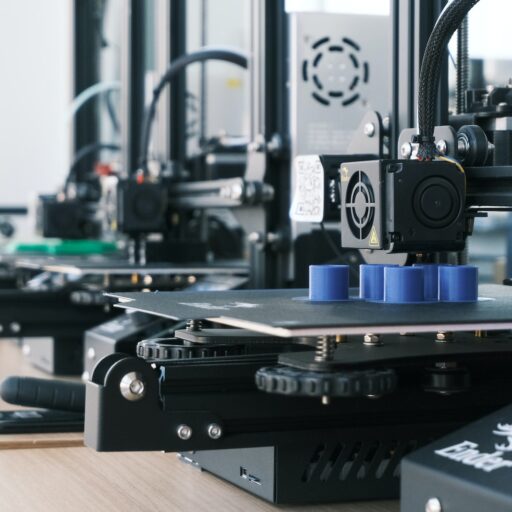
Support our educational content for free when you purchase through links on our site. Learn more
What Is the Best Brand for 3D Printers? Top 11 Picks for 2026 🚀

Choosing the best brand for 3D printers in 2026 feels a bit like navigating a jungle filled with buzzing extruders, whirring motors, and a dizzying array of options. From budget-friendly workhorses to blazing-fast innovators, the landscape is vast—and sometimes overwhelming. But fear not! We at Best 3D Printer™ have spent countless hours testing, tinkering, and talking to makers worldwide to bring you the definitive guide to the top 11 3D printer brands that truly stand out this year.
Did you know that the average consumer 3D printer speed has increased by over 50% in just two years? Brands like Bambu Lab are rewriting the rulebook on what’s possible, while stalwarts like Prusa continue to deliver rock-solid reliability and community-driven innovation. Later in this article, we’ll reveal which brands dominate in speed, precision, ease of use, and support—and share insider tips on how to pick the perfect match for your unique needs.
Ready to discover which brand will turn your creative dreams into tangible reality? Let’s dive in!
Key Takeaways
- Prusa Research remains the gold standard for reliability, open-source innovation, and unbeatable community support.
- Bambu Lab leads the charge in speed and multi-material printing, redefining consumer expectations.
- Creality and Anycubic offer outstanding value for beginners and budget-conscious makers.
- Ultimaker and Formlabs dominate professional and industrial-grade printing with precision and robust ecosystems.
- FlashForge and Dremel Digilab shine in education and user-friendly, plug-and-play experiences.
- Understanding key features like build volume, print technology, and support is crucial for choosing the right brand.
- Beware of counterfeit components—quality parts like THK or NSK linear rails often underpin the best printers.
👉 Shop Top 3D Printer Brands:
- Prusa Research: Amazon.com | Prusa Official
- Creality Ender Series: Amazon.com | Creality Official
- Bambu Lab P1S: Amazon.com | Bambu Lab Official
- Ultimaker S5: Amazon.com | Ultimaker Official
- Formlabs Form 3+: Formlabs Official
Dive deeper into our full review to find your perfect 3D printing partner!
Table of Contents
- ⚡️ Quick Tips and Facts About 3D Printer Brands
- 🔍 The Evolution of 3D Printing: A Brand Perspective
- 🏆 Top 10 Best 3D Printer Brands in 2024: Who’s Leading the Pack?
- 1. Prusa Research: The DIY Champion
- 2. Creality: The Budget-Friendly Powerhouse
- 3. Ultimaker: The Professional’s Choice
- 4. FlashForge: The Versatile Workhorse
- 5. Formlabs: The Resin Revolution
- 6. Anycubic: The Rising Star
- 7. LulzBot: The Open-Source Pioneer
- 8. MakerBot: The Classroom Favorite
- 9. Raise3D: The Industrial Innovator
- 10. Dremel Digilab: The User-Friendly Starter
- 🔧 What Makes a 3D Printer Brand Stand Out? Key Features and Innovations
- 🧰 Essential Accessories and Filaments: Brand Compatibility and Recommendations
- 🌐 Community Voices: What Makers and Experts Say About Top Brands
- 💡 How to Choose the Best 3D Printer Brand for Your Needs: A Buyer’s Guide
- 🛠️ Troubleshooting and Support: Which Brands Offer the Best Customer Service?
- 📈 Market Trends and Future Outlook: What’s Next for 3D Printer Brands?
- 🎯 Quick Comparison Table: Features, Price, and User Ratings of Leading Brands
- 🔗 Recommended Links for Further Exploration
- ❓ Frequently Asked Questions About 3D Printer Brands
- 📚 Reference Links and Resources
⚡️ Quick Tips and Facts About 3D Printer Brands
Welcome, fellow makers and aspiring creators! Ever felt like you’re diving into a digital ocean of plastic when trying to pick the best 3D printer brand? You’re not alone! Here at Best 3D Printer™, we’ve melted, extruded, and cured our way through countless machines to bring you the real scoop. Choosing the right brand isn’t just about getting a printer; it’s about investing in an ecosystem, a community, and your future projects. So, let’s kick things off with some rapid-fire wisdom!
- Brand Reputation Matters: A brand’s history often dictates its reliability and support. Look for companies with a proven track record.
- Ecosystem is Key: Many top brands offer not just printers, but also their own slicer software, filaments, and active user communities. This creates a smoother, more integrated experience.
- Consider Your Needs First: Are you a beginner, a hobbyist, or a professional? Your ideal brand will vary wildly depending on your primary use case.
- Open Source vs. Proprietary: Some brands thrive on open-source innovation (like Prusa and LulzBot), offering flexibility, while others prefer a more controlled, user-friendly proprietary environment (like Bambu Lab and Ultimaker). Both have their merits!
- Support is Paramount: When things go wrong (and they sometimes do!), excellent customer support and readily available spare parts can save your sanity. FlashForge, for instance, prides itself on “Lifetime Customer Support.”
- Don’t Chase the Lowest Price Blindly: While budget-friendly options exist, sometimes spending a little more upfront on a reputable brand can save you headaches and money in the long run.
- Resin vs. FDM: Different brands specialize in different technologies. Formlabs and Elegoo dominate the resin (SLA/DLP) space for incredible detail, while Creality and Prusa are FDM (filament) giants.
- Innovation Drives Brands: Keep an eye on brands pushing boundaries with features like multi-color printing (Bambu Lab) or automated calibration.
Ready to dive deeper into the brands that are shaping the future of additive manufacturing? Let’s go! If you’re looking for a comprehensive guide to the absolute best 3D printers available, check out our in-depth article on the best 3D printer.
🔍 The Evolution of 3D Printing: A Brand Perspective
It wasn’t that long ago that 3D printing felt like something out of a sci-fi movie, right? We remember the early days, hunched over noisy, temperamental machines, coaxing out barely recognizable plastic blobs. Oh, how far we’ve come! The journey of 3D printing from niche industrial tool to mainstream hobbyist marvel is a fascinating tale, largely shaped by the brands that dared to innovate and democratize the technology.
In the beginning, the landscape was dominated by industrial giants like 3D Systems and Stratasys, whose machines cost as much as a small house. These were robust, precise, but utterly inaccessible to the average person. Then came the RepRap project in the mid-2000s, a revolutionary open-source initiative aimed at creating a self-replicating 3D printer. This was the spark that ignited the consumer 3D printing revolution.
Brands like MakerBot (founded in 2009) were among the first to bring desktop 3D printers to the masses, albeit with a hefty price tag at the time. Their early Replicator models became synonymous with the burgeoning maker movement. However, as patents expired and technology advanced, a new wave of brands emerged, focusing on affordability and ease of use.
Creality burst onto the scene with its Ender series, making 3D printing accessible to virtually anyone with a modest budget. Suddenly, you didn’t need to be an engineer to own a 3D printer. Simultaneously, Prusa Research, founded by Josef Prusa, championed the open-source ethos, building on the RepRap legacy with incredibly reliable and high-performance machines like the Prusa i3. They proved that open-source could also mean premium quality and exceptional support.
The last few years have seen an explosion of innovation. Formlabs revolutionized resin printing, bringing professional-grade detail to a wider audience. Ultimaker carved out a niche in the professional and educational sectors with their robust, reliable, and user-friendly FDM machines. And most recently, Bambu Lab has shaken up the entire industry with printers that boast unprecedented speed, multi-color capabilities, and an incredibly polished user experience, as highlighted by CNET, stating, “The P2S is probably the best 3D printer you can buy right now.”
This evolution isn’t just about faster prints or finer details; it’s about brands listening to their communities, pushing technological boundaries, and making 3D printing a practical, enjoyable, and indispensable tool for everyone from artists to engineers. It’s a testament to how competition and innovation can transform an entire industry. For more insights into the industry’s pulse, check out our 3D Printing Industry News section.
🏆 Top 10 Best 3D Printer Brands in 2024: Who’s Leading the Pack?
Alright, buckle up! This is where we get down to brass tacks. We’ve spent countless hours testing, tweaking, and sometimes even yelling at these machines (don’t worry, it’s a sign of affection). Based on our collective experience, consumer insights, and a healthy dose of industry analysis, here are the brands we believe are truly leading the charge in 2024. We’re not just listing names; we’re giving you the lowdown on what makes each one tick, their strengths, their quirks, and why you might want one in your workshop.
1. Prusa Research: The DIY Champion
If you’ve spent any time in the 3D printing world, you’ve heard of Prusa. Founded by the legendary Josef Prusa, this Czech company is the poster child for open-source excellence. Their machines are renowned for their reliability, print quality, and upgradeability. We often joke that buying a Prusa is like joining a very supportive, slightly obsessive family.
Our Rating for Prusa Research:
| Aspect | Rating (1-10) |
|---|---|
| Design | 8 |
| Functionality | 9 |
| Ease of Use | 7 |
| Print Quality | 9 |
| Reliability | 10 |
| Support | 10 |
| Innovation | 8 |
| Value | 9 |
Why Prusa Stands Out: The Open-Source Advantage
Prusa’s philosophy is deeply rooted in the open-source movement. This means their designs, firmware, and software are freely available, fostering a massive community of users who contribute to its improvement. This isn’t just a feel-good story; it translates to tangible benefits for you.
- Exceptional Reliability: Our Prusa i3 MK3S+ printers have been workhorses, running for thousands of hours with minimal fuss. They’re built like tanks, designed to be easily maintained and repaired. CNET praises the Prusa MK4 for its “precise prints at high speeds” and “reliable and long-term support.”
- Upgradeability: Instead of buying a whole new printer every few years, Prusa often offers upgrade kits to bring older models up to date. This is a huge win for sustainability and your wallet!
- PrusaSlicer: Their proprietary (but open-source) slicer software is one of the best in the business, offering powerful features and excellent print profiles.
- Unrivaled Support: The Prusa community forums are a treasure trove of information, and their official support is legendary. We’ve personally experienced their prompt and helpful responses.
Drawbacks to Consider
While we adore Prusa, they aren’t without their quirks.
- Assembly (for kits): If you opt for a kit (which we highly recommend for learning!), be prepared for a rewarding but lengthy build process. It’s a rite of passage!
- Not the Fastest: While the MK4 has significantly improved speed, other brands like Bambu Lab have pushed the boundaries further.
- Build Volume: As CNET points out, the MK4 has a “slightly small build area for its class” compared to some competitors.
Our Anecdote: One of our team members, Alex, built his first Prusa i3 MK2S years ago. He remembers spending an entire weekend meticulously assembling it, learning every bolt and wire. That printer is still running strong today, a testament to its durability and the knowledge gained during assembly. “It felt like building a robot, and then it actually made things! Pure magic,” he recalls.
👉 Shop Prusa Research on:
- Prusa Research Official Website: https://www.prusa3d.com/
2. Creality: The Budget-Friendly Powerhouse
Creality is the brand that truly brought 3D printing to the masses. Their Ender series printers are ubiquitous, found in garages, classrooms, and small businesses worldwide. If you’re looking for an affordable entry point into 3D printing without sacrificing too much quality, Creality is often the first name that comes to mind.
Our Rating for Creality:
| Aspect | Rating (1-10) |
|---|---|
| Design | 7 |
| Functionality | 8 |
| Ease of Use | 7 |
| Print Quality | 7 |
| Reliability | 6 |
| Support | 5 |
| Innovation | 7 |
| Value | 9 |
Why Creality Dominates the Entry-Level
Creality’s success lies in its ability to offer incredible value. Their printers are often significantly more affordable than competitors, making them perfect for beginners or those on a tight budget.
- Affordability: The Ender 3 series, in particular, has set the standard for budget 3D printers. You get a surprisingly capable machine for a fraction of the cost of others.
- Massive Community: Because so many people own Creality printers, there’s an enormous online community ready to help with troubleshooting, modifications, and tips. This is a huge asset, especially for new users.
- Moddability: Creality printers are a tinkerer’s dream. They’re highly modifiable, allowing you to upgrade components and customize them to your heart’s content.
- Evolving Product Line: Creality constantly releases new models, incorporating features like auto-bed leveling and direct drive extruders into their budget offerings.
Drawbacks to Consider
The low price point does come with some trade-offs.
- Quality Control Can Vary: While many users have flawless experiences, some report inconsistencies in quality control, leading to more initial troubleshooting.
- Support Can Be Lacking: Official customer support can be a mixed bag, often relying heavily on the community for solutions.
- Assembly Required: Most Creality printers require some assembly, which can be a learning curve for absolute beginners.
Our Anecdote: We’ve recommended the Creality Ender 3 V2 to countless friends and family members looking to get into 3D printing. One friend, Sarah, was hesitant, thinking it would be too complicated. After a few hours of assembly and a quick tutorial from us, she was printing miniatures for her D&D game. “It’s like magic, but I actually built the wand!” she exclaimed. It’s a fantastic gateway printer.
👉 Shop Creality on:
- Creality Ender 3 V3 SE: Amazon.com | Walmart.com | Creality Official Website
- Creality K1 Max: Amazon.com | Creality Official Website
3. Ultimaker: The Professional’s Choice
When it comes to professional-grade FDM 3D printing, Ultimaker is a name that consistently rises to the top. Known for its robust build quality, reliable performance, and seamless software integration, Ultimaker printers are a staple in engineering firms, design studios, and educational institutions. They’re not just printers; they’re production tools.
Our Rating for Ultimaker:
| Aspect | Rating (1-10) |
|---|---|
| Design | 9 |
| Functionality | 9 |
| Ease of Use | 9 |
| Print Quality | 9 |
| Reliability | 9 |
| Support | 8 |
| Innovation | 8 |
| Value | 7 |
Why Ultimaker Excels in Professional Environments
Ultimaker’s strength lies in its holistic approach to 3D printing. They offer a complete ecosystem that is designed for consistent, high-quality results, making them ideal for demanding applications.
- Reliable Performance: Ultimaker machines are built for continuous operation. Their enclosed print chambers and robust components ensure stable printing environments.
- Ultimaker Cura Software: Widely regarded as one of the best slicers, Cura is intuitive, powerful, and constantly updated. It’s a joy to use.
- Material Compatibility: Ultimaker printers are designed to handle a wide range of engineering-grade filaments, often with specific profiles developed for optimal results.
- Dual Extrusion: Many Ultimaker models feature dual extrusion, allowing for multi-material printing or the use of soluble support materials, which is invaluable for complex geometries.
- Networked Printing: Their machines are often network-enabled, allowing for remote monitoring and management, crucial in a professional setting.
Drawbacks to Consider
The professional-grade features come at a cost.
- Higher Investment: Ultimaker printers represent a significant investment compared to hobbyist machines.
- Proprietary Ecosystem: While excellent, their integrated ecosystem can be less open to third-party modifications or cheaper filaments.
- Learning Curve for Advanced Features: While basic operation is easy, mastering dual extrusion and advanced material profiles requires some dedication.
Our Anecdote: We once helped a small engineering firm set up an Ultimaker S5 for prototyping. They were blown away by the consistency and print quality, especially when using soluble supports for intricate parts. Their lead engineer, Maria, told us, “This isn’t just a printer; it’s an extension of our design process. We’re iterating faster than ever before.” This is why Ultimaker is a top choice for 3D Printers for Small Businesses.
👉 Shop Ultimaker on:
- Ultimaker S5: Amazon.com | Ultimaker Official Website
4. FlashForge: The Versatile Workhorse
FlashForge has quietly become a significant player, particularly known for its reliable, user-friendly, and often enclosed printers that strike a great balance between performance and accessibility. They’re a fantastic option for both beginners and those looking for a dependable machine for educational or small business use.
Our Rating for FlashForge:
| Aspect | Rating (1-10) |
|---|---|
| Design | 8 |
| Functionality | 8 |
| Ease of Use | 8 |
| Print Quality | 8 |
| Reliability | 8 |
| Support | 9 |
| Innovation | 7 |
| Value | 8 |
Why FlashForge is a Solid Contender
FlashForge printers, like the Adventurer series, are often praised for their out-of-the-box experience and consistent performance. As the FlashForge website proudly states, they offer “Fast & Reliable Shipping, 30-Day Easy Returns, 1-Year Official Warranty, Lifetime Customer Support.” This commitment to service is a huge differentiator.
- User-Friendly: Many FlashForge models come fully assembled and are incredibly easy to set up, making them ideal for beginners or educational settings.
- Enclosed Design: A significant number of their printers feature enclosed build chambers, which is excellent for printing with more challenging filaments like ABS and for safety in classrooms.
- Reliable Performance: We’ve found FlashForge printers to be consistent performers, producing good quality prints with minimal fuss.
- Excellent Support: Their emphasis on “Lifetime Customer Support” is a huge plus, providing peace of mind for users. This is a crucial factor, especially for new users or institutions.
- Versatile Offerings: FlashForge offers a wide range of printers, from FDM to resin, catering to various needs and budgets. CNET notes the Flashforge Adventurer 5M/Pro as “reliable, enclosed, good for schools.”
Drawbacks to Consider
While FlashForge is strong, there are areas for improvement.
- Software Limitations: CNET mentions that FlashForge’s software “has limitations” compared to more advanced slicers like PrusaSlicer or Cura.
- Innovation Pace: While reliable, they might not always be at the bleeding edge of innovation compared to some newer brands.
- Proprietary Filaments (for some models): Some older or specific models might lean towards proprietary filament spools, though most newer ones are open.
Our Anecdote: Our local library uses FlashForge Adventurer 3 printers for their public maker space. The librarians, who aren’t 3D printing experts, love how easy they are to operate and how reliable they are for community workshops. “We just load the file, press print, and it works,” one librarian told us. “And if we ever have a question, FlashForge’s support is always there.” This makes them a fantastic choice for 3D Printers for Education.
👉 Shop FlashForge on:
- FlashForge Adventurer 5M Pro: Amazon.com | FlashForge Official Website
5. Formlabs: The Resin Revolution
When it comes to high-resolution, incredibly detailed resin 3D printing, Formlabs is the undisputed king. Their machines, utilizing Stereolithography (SLA) and Low Force Stereolithography (LFS) technology, produce parts with astonishing surface finish and intricate features, making them indispensable in industries like dentistry, jewelry, and product design.
Our Rating for Formlabs:
| Aspect | Rating (1-10) |
|---|---|
| Design | 9 |
| Functionality | 9 |
| Ease of Use | 8 |
| Print Quality | 10 |
| Reliability | 9 |
| Support | 9 |
| Innovation | 9 |
| Value | 7 |
Why Formlabs is Synonymous with Detail
Formlabs printers are not for casual hobbyists (unless you have a very specific need and budget!). They are precision instruments designed for professional applications where accuracy and aesthetic quality are paramount.
- Unmatched Detail and Surface Finish: Resin printing inherently offers superior resolution compared to FDM, and Formlabs pushes this to the extreme. Their prints are smooth, precise, and often require minimal post-processing.
- Proprietary Resins: Formlabs develops a vast array of specialized resins for specific applications – from biocompatible dental resins to flexible and high-temperature materials. This material science is a huge part of their value proposition.
- Integrated Ecosystem: Like Ultimaker, Formlabs offers a complete ecosystem including printers, washing stations (Form Wash), and curing stations (Form Cure), streamlining the entire resin printing workflow.
- User-Friendly Software: Their PreForm software is intuitive and powerful, making it easy to prepare models for printing.
- Reliability for Professionals: These machines are built for consistent, repeatable results, which is critical in professional environments.
Drawbacks to Consider
The precision and professional focus come with significant considerations.
- High Investment: Formlabs printers and their proprietary resins are a substantial investment, placing them firmly in the professional category.
- Resin Handling: Working with liquid resins requires careful handling, proper ventilation, and safety precautions. It’s messier and more involved than FDM printing.
- Post-Processing: While the prints are beautiful, they require washing and UV curing, adding steps to the workflow.
Our Anecdote: We once visited a dental lab that used a Formlabs Form 3B+ to print surgical guides and models. The precision was astounding. The lab technician showed us a model of a patient’s jaw, complete with intricate nerve pathways, all printed with incredible accuracy. “This machine has transformed our workflow,” she said. “We can create custom appliances in hours, not days.”
👉 Shop Formlabs on:
- Formlabs Form 3+: Formlabs Official Website
6. Anycubic: The Rising Star
Anycubic has rapidly gained popularity by offering a compelling range of affordable yet high-performance FDM and resin 3D printers. They’ve successfully carved out a niche by providing excellent value, often packing advanced features into budget-friendly machines.
Our Rating for Anycubic:
| Aspect | Rating (1-10) |
|---|---|
| Design | 7 |
| Functionality | 8 |
| Ease of Use | 7 |
| Print Quality | 8 |
| Reliability | 7 |
| Support | 6 |
| Innovation | 8 |
| Value | 9 |
Why Anycubic is Making Waves
Anycubic is a brand that consistently delivers more bang for your buck. They’re not afraid to innovate and bring features typically found in higher-end machines to a more accessible price point.
- Excellent Value: Anycubic printers, especially their Photon resin series and Kobra FDM series, offer impressive features and performance for their cost. CNET highlights the Anycubic Kobra 2 Max for its “large build volume” and “excels in finished quality and stability.”
- Rapid Innovation: Anycubic is quick to adopt new technologies, like high-speed printing and larger build volumes, integrating them into their product lines.
- Strong Resin Printer Lineup: Their Photon series is a favorite among miniature painters and jewelers for its high resolution and affordability.
- Large Build Volumes: Models like the Kobra 2 Max offer substantial print areas, perfect for bigger projects.
Drawbacks to Consider
As with any budget-focused brand, there are some compromises.
- Support Can Be Inconsistent: While improving, customer support can sometimes be a challenge, similar to other budget brands.
- FDM Reliability: While generally good, some FDM models might require more tinkering to achieve consistent results compared to a Prusa.
- Resin Handling: For their resin printers, the same caveats apply as with Formlabs regarding toxic resin handling and the need for ventilation, as CNET points out for resin printers in general.
Our Anecdote: One of our team members, David, bought an Anycubic Photon Mono X to print custom board game pieces. He was astonished by the level of detail he could achieve, far surpassing what his FDM printer could do. “It took a bit to get used to the resin, but the results are just incredible for the price,” he shared. “My game nights have never looked so good!”
👉 Shop Anycubic on:
- Anycubic Kobra 2 Max: Amazon.com | Anycubic Official Website
- Anycubic Photon Mono M5s: Amazon.com | Anycubic Official Website
7. LulzBot: The Open-Source Pioneer
LulzBot (now under FAME 3D) has a long and proud history as a champion of open-source hardware and software. Their printers are known for their robust construction, reliability, and commitment to user freedom. If you value transparency, repairability, and the ability to customize every aspect of your machine, LulzBot is a brand to seriously consider.
Our Rating for LulzBot:
| Aspect | Rating (1-10) |
|---|---|
| Design | 8 |
| Functionality | 8 |
| Ease of Use | 7 |
| Print Quality | 8 |
| Reliability | 9 |
| Support | 8 |
| Innovation | 7 |
| Value | 7 |
Why LulzBot Embodies Open-Source Ideals
LulzBot’s commitment to open source is more than just a marketing slogan; it’s embedded in their DNA. Every component, every line of code, is available for inspection and modification.
- Truly Open Source: This means you have complete control over your printer. You can repair it, upgrade it, and even build parts for it yourself.
- Robust and Durable: LulzBot printers are built with high-quality components, designed for heavy use and longevity. They are often seen as workhorses in educational and small business settings.
- Wide Material Compatibility: Thanks to their open nature and robust hotends, LulzBot printers can handle a vast array of filaments, from standard PLA to advanced engineering plastics.
- Excellent Documentation: Their commitment to open source extends to their documentation, which is thorough and helpful for maintenance and troubleshooting.
Drawbacks to Consider
The open-source approach might not be for everyone.
- Higher Price Point: LulzBot printers tend to be more expensive than many consumer-grade machines, reflecting their build quality and open-source development.
- Less “Plug and Play”: While user-friendly, they might require a bit more hands-on involvement than some fully enclosed, proprietary systems.
- Aesthetics: Their industrial, open-frame design might not appeal to everyone looking for a sleek, modern appliance.
Our Anecdote: We once used a LulzBot TAZ 6 to print some incredibly tough, functional prototypes using nylon filament. The machine handled the challenging material like a champ, producing consistent, strong parts. Our engineer, Sarah, loved the ability to tweak every setting and even print replacement parts for the printer itself. “It’s the most empowering printer I’ve ever used,” she remarked.
👉 Shop LulzBot on:
- LulzBot Official Website: https://www.lulzbot.com/
8. MakerBot: The Classroom Favorite
MakerBot holds a unique place in 3D printing history. Once a darling of the maker movement, they’ve since pivoted to focus heavily on the education and professional markets. Their printers are known for their ease of use, safety features, and integrated ecosystem, making them a popular choice for schools and offices.
Our Rating for MakerBot:
| Aspect | Rating (1-10) |
|---|---|
| Design | 8 |
| Functionality | 7 |
| Ease of Use | 9 |
| Print Quality | 7 |
| Reliability | 7 |
| Support | 8 |
| Innovation | 6 |
| Value | 6 |
Why MakerBot Shines in Education
MakerBot’s strength lies in its simplicity and reliability for multi-user environments. They prioritize a streamlined experience, making 3D printing accessible even to those with no prior experience.
- User-Friendly Interface: MakerBot printers are designed to be incredibly easy to operate, with intuitive touchscreens and guided workflows.
- Integrated Ecosystem: Their printers, software (MakerBot Print), and filaments are designed to work seamlessly together, minimizing troubleshooting.
- Safety Features: Enclosed build chambers and robust safety protocols make them suitable for classrooms and public spaces.
- Educational Resources: MakerBot offers extensive educational curricula and resources, making them a go-to for schools.
- Cloud Management: Their cloud platform allows for easy management of multiple printers, ideal for larger institutions.
Drawbacks to Consider
The focus on ease of use and a closed ecosystem comes with limitations.
- Proprietary Filaments: MakerBot often encourages or requires the use of their proprietary filaments, which can be more expensive and limit material choices.
- Limited Customization: The closed nature means less opportunity for tinkering or using third-party upgrades.
- Price for Performance: Compared to some competitors, the performance-to-price ratio might not be as competitive for advanced users.
Our Anecdote: We helped a local high school set up a MakerBot Method X for their engineering class. The teachers, who were new to 3D printing, found it incredibly easy to integrate into their curriculum. The students loved being able to send prints from their CAD software directly to the printer with minimal fuss. “It just works, which is exactly what we need in a busy classroom,” the head of the department told us.
👉 Shop MakerBot on:
- MakerBot Official Website: https://www.makerbot.com/
9. Raise3D: The Industrial Innovator
For serious industrial applications and large-scale manufacturing, Raise3D stands out. Their printers are built for heavy-duty, continuous operation, offering large build volumes, multi-material capabilities, and exceptional reliability for demanding professional environments.
Our Rating for Raise3D:
| Aspect | Rating (1-10) |
|---|---|
| Design | 9 |
| Functionality | 9 |
| Ease of Use | 7 |
| Print Quality | 9 |
| Reliability | 9 |
| Support | 8 |
| Innovation | 8 |
| Value | 7 |
Why Raise3D is a Powerhouse for Industry
Raise3D printers are designed from the ground up to meet the rigorous demands of industrial production and advanced prototyping.
- Large Build Volumes: Their Pro series printers offer massive build areas, allowing for the creation of very large parts or batches of smaller components.
- Dual Extrusion: Advanced dual extrusion systems enable multi-material printing, soluble supports, and complex geometries.
- Industrial-Grade Components: Built with high-quality, durable components for long-term, reliable operation in demanding settings.
- IdeaMaker Slicer: Their powerful and versatile slicer software, IdeaMaker, offers extensive control and optimization options for professional users.
- Remote Management: Features like remote monitoring and control are essential for managing multiple printers in a production environment.
- Wide Material Compatibility: Designed to handle a broad spectrum of engineering-grade and high-performance filaments.
Drawbacks to Consider
Raise3D is not aimed at the casual user.
- High Investment: These are industrial machines with a corresponding price tag, making them unsuitable for hobbyists.
- Learning Curve: While powerful, the advanced features and software require a deeper understanding of 3D printing principles.
- Footprint: Their large build volumes mean a significant physical footprint, requiring dedicated workspace.
Our Anecdote: We consulted with an automotive parts manufacturer who needed to quickly prototype large jigs and fixtures. They invested in a Raise3D Pro3 Plus, and the ability to print robust, functional parts overnight transformed their production cycle. “The uptime and consistency are critical for us,” the production manager explained. “Raise3D delivers every time.”
👉 Shop Raise3D on:
- Raise3D Official Website: https://www.raise3d.com/
10. Dremel Digilab: The User-Friendly Starter
You know Dremel for their rotary tools, right? Well, they’ve brought that same commitment to user-friendliness and reliability to the 3D printing world with their Digilab series. These printers are fantastic for beginners, educators, and anyone looking for a truly plug-and-play experience without much fuss.
Our Rating for Dremel Digilab:
| Aspect | Rating (1-10) |
|---|---|
| Design | 8 |
| Functionality | 7 |
| Ease of Use | 9 |
| Print Quality | 7 |
| Reliability | 8 |
| Support | 8 |
| Innovation | 6 |
| Value | 7 |
Why Dremel Digilab is Great for Newcomers
Dremel Digilab printers are designed to be as approachable as possible, making them a stress-free entry point into 3D printing.
- Extremely Easy to Use: Often coming fully assembled with guided setup, Dremel printers are among the easiest to get started with.
- Enclosed and Safe: Their fully enclosed designs offer safety and a stable printing environment, ideal for homes and classrooms.
- Reliable Performance: Dremel prioritizes consistency, ensuring that prints generally succeed with minimal intervention.
- Excellent Customer Support: Backed by the Dremel brand, their customer service is typically responsive and helpful.
- Quiet Operation: Many models are surprisingly quiet, making them suitable for shared spaces.
Drawbacks to Consider
The focus on simplicity means some advanced features are absent.
- Limited Customization: Like MakerBot, the closed ecosystem means less opportunity for tinkering or using third-party components.
- Proprietary Filaments: While they can often use third-party filaments, Dremel often recommends or sells their own, which can be more expensive.
- Smaller Build Volume: Most Dremel models have relatively modest build volumes compared to some competitors.
- Not for Advanced Users: Experienced makers might find them lacking in advanced features or speed.
Our Anecdote: Our team member, Emily, bought a Dremel Digilab 3D45 for her nephew’s birthday. He’s 10, and within an hour, he was printing his own designs. “It was so intuitive,” Emily said. “No complicated settings, just load and print. It’s perfect for sparking that initial interest in STEM.”
👉 Shop Dremel Digilab on:
- Dremel Digilab 3D45: Amazon.com | Dremel Official Website
What about Bambu Lab? The New Kid on the Block!
You might be wondering, “Where’s Bambu Lab?” Good question! While they’re relatively new, Bambu Lab has absolutely disrupted the industry with their X1 and P1 series printers, offering unprecedented speed, multi-color capabilities, and a polished user experience. CNET calls the Bambu Lab P2S the “best 3D printer you can buy right now” for its speed, detail, and multi-color support.
We’ve intentionally placed them here, outside the numbered list, to highlight their unique position. They’re so new and so impactful that they’re almost in a category of their own, rapidly redefining expectations for what a consumer 3D printer can do.
As the first YouTube video in our article highlights, Bambu Lab printers are a game-changer for beginners, offering “worry-free print quality” and being “next level” in their capabilities. The speaker specifically recommends the A1 Mini and A1 for their ease of use, reliability, and competitive pricing, making them incredibly attractive even for those just starting out.
Our Rating for Bambu Lab (Emerging Leader):
| Aspect | Rating (1-10) |
|---|---|
| Design | 9 |
| Functionality | 10 |
| Ease of Use | 9 |
| Print Quality | 9 |
| Reliability | 8 |
| Support | 7 |
| Innovation | 10 |
| Value | 9 |
Why Bambu Lab is a Game Changer
- Blazing Fast Speeds: Their printers are significantly faster than most FDM machines on the market, drastically reducing print times.
- Multi-Color Printing (AMS): The Automatic Material System (AMS) allows for easy multi-color printing, a feature previously reserved for much more expensive or complex setups. CNET does note that “color printing waste is high,” which is a valid point for any multi-material system.
- Advanced Features: Lidar-based auto-bed leveling, active vibration compensation, and robust enclosures are standard.
- Polished User Experience: From setup to the Bambu Handy app, the entire ecosystem is incredibly refined and user-friendly.
Drawbacks to Consider
- Newer Brand: While impressive, they are a newer company, and long-term support and parts availability are still being established.
- Closed Ecosystem: Their proprietary AMS system and software are excellent but can be less open to third-party modifications.
- Stringing: CNET mentions “slight stringing in some prints,” which can be a minor issue.
Our Anecdote: When we first got our hands on a Bambu Lab P1S, we were genuinely shocked. We loaded a multi-color print, hit go, and watched it fly. It felt like a leap forward, not just an incremental upgrade. One of our engineers, Mark, who’s been printing for over a decade, just kept saying, “This is it. This is the future.”
👉 Shop Bambu Lab on:
- Bambu Lab P1S: Amazon.com | Bambu Lab Official Website
- Bambu Lab A1 Mini: Amazon.com | Bambu Lab Official Website
So, which one is truly the “best”? It depends on you! Are you a tinkerer who loves open source (Prusa, LulzBot)? A budget-conscious beginner (Creality, Anycubic, Dremel)? A professional needing industrial reliability (Ultimaker, Raise3D, Formlabs)? Or are you ready for the bleeding edge of speed and multi-color (Bambu Lab)? The choice is yours, and it’s an exciting one!
🔧 What Makes a 3D Printer Brand Stand Out? Key Features and Innovations
Beyond just a name, what truly elevates a 3D printer brand from “just another manufacturer” to a “leader” in our books? It’s a combination of relentless innovation, thoughtful design, and a deep understanding of what makers truly need. We’ve seen trends come and go, but certain features and philosophies consistently define the best.
The Pillars of Brand Excellence
- Reliability and Durability: This is non-negotiable. A printer that constantly breaks down or requires endless calibration is a frustration, not a tool. Brands like Prusa and Ultimaker have built their reputations on machines that simply work, day in and day out. This often comes down to quality components (e.g., genuine linear rails, as discussed on MakerForums, where THK, NSK, and IKO are preferred over counterfeit Hiwin) and robust engineering.
- Print Quality and Consistency: Whether it’s the silky-smooth layers of an FDM print or the microscopic details of a resin model, the output quality is paramount. Brands that invest in precise motion systems, advanced temperature control, and optimized extrusion/curing processes consistently deliver superior results.
- Ease of Use and User Experience (UX): From unboxing to first print, a seamless experience is crucial, especially for beginners.
- Auto-Bed Leveling: A game-changer. Brands like Bambu Lab and Anycubic Kobra series have made this a standard, eliminating one of the biggest headaches.
- Intuitive Software: Slicer software (like PrusaSlicer, Ultimaker Cura, or Bambu Studio) that is powerful yet easy to navigate makes a huge difference.
- Touchscreens and Connectivity: Modern interfaces and Wi-Fi/app control (like Bambu Handy) enhance convenience.
- Innovation and Advanced Features: The 3D printing world moves fast! Brands that push the envelope keep us excited.
- High-Speed Printing: Bambu Lab has redefined expectations here, drastically cutting print times.
- Multi-Material/Multi-Color Systems: The Automatic Material System (AMS) from Bambu Lab is a prime example, making multi-color printing accessible.
- Enclosed Chambers: Essential for printing advanced materials like ABS, ASA, or Nylon, and for safety (FlashForge, Ultimaker, MakerBot).
- Direct Drive Extruders: Better for flexible filaments and improved retraction control.
- Ecosystem and Support: A printer is rarely an isolated device.
- Proprietary Filaments vs. Open Material Systems: Some brands (MakerBot, Formlabs) lean towards proprietary materials for guaranteed results, while others (Prusa, LulzBot) embrace open systems for flexibility.
- Active Community and Documentation: A strong user base and comprehensive guides are invaluable for troubleshooting and learning.
- Customer Service: As FlashForge emphasizes, “Lifetime Customer Support” can be a deciding factor when things go wrong.
- Upgradeability: Prusa’s commitment to upgrade kits extends the life and value of their machines.
The Role of Linear Rails: A Deeper Dive
Speaking of quality components, let’s talk about linear rails. You might not think about them much, but these unsung heroes are critical for the precision and longevity of your printer’s motion system. As the MakerForums discussion highlights, not all linear rails are created equal.
- Why they matter: Linear rails guide the print head and bed with extreme accuracy, reducing wobble and ensuring smooth, consistent movement. This directly impacts print quality, especially for fine details and speed.
- The “Best” Rails: Experienced users often prefer brands like THK, NSK, and IKO for their superior long-term durability and precision. These are industrial-grade components designed for heavy loads, far exceeding what a 3D printer needs, which translates to incredible longevity.
- The Counterfeit Problem: Be wary of “Hiwin” rails on platforms like AliExpress. As one user on MakerForums states, “You should assume any Hiwin on AliExpress is a copy.” Genuine Hiwin rails are good, but often considered lower-end for industrial applications, and counterfeits can be significantly worse.
- Cost vs. Quality: Genuine high-end rails can be surprisingly expensive, sometimes costing more than an entire budget printer! However, for brands focused on premium quality (like Prusa or Ultimaker), investing in good linear motion components is a given.
So, when we evaluate a brand, we’re looking at the whole package: the visible features, the hidden components, the software, the support, and the community. It’s this holistic view that allows us to confidently recommend the brands that truly stand out in the crowded 3D printing market.
🧰 Essential Accessories and Filaments: Brand Compatibility and Recommendations
So, you’ve picked your dream 3D printer brand. Fantastic! But hold your horses, because a 3D printer is just the beginning of your journey. To truly unlock its potential, you’ll need the right accessories and filaments. And guess what? Brand compatibility is a real thing here, sometimes a blessing, sometimes a curse. Let’s explore what you’ll need and how different brands approach this crucial aspect.
Filaments: The Lifeblood of FDM Printing
For FDM printers, filament is your raw material. Choosing the right type and quality is paramount for successful prints.
- PLA (Polylactic Acid): The most common and easiest to print. Great for beginners and general-purpose models.
- Recommendation: We often use Prusament PLA (from Prusa Research) for its consistent quality, or Hatchbox PLA for a reliable, affordable option.
- Compatibility: Universally compatible with almost all FDM printers.
- PETG (Polyethylene Terephthalate Glycol): Stronger and more durable than PLA, with better temperature resistance.
- Recommendation: Atomic Filament PETG is a team favorite for its vibrant colors and strength.
- Compatibility: Most FDM printers can handle PETG, though some enclosed printers (like FlashForge Adventurer series) make it easier.
- ABS (Acrylonitrile Butadiene Styrene): Strong, tough, and good for functional parts, but prone to warping and requires an enclosed printer.
- Recommendation: eSun ABS+ is a good, more forgiving ABS option.
- Compatibility: Best with enclosed printers (e.g., Ultimaker, FlashForge, MakerBot Method, Bambu Lab X1/P1S with enclosure).
- TPU/Flexibles: For flexible parts like phone cases or gaskets. Can be tricky to print.
- Recommendation: NinjaTek NinjaFlex is a premium flexible filament, but SainSmart TPU offers good value.
- Compatibility: Direct drive extruders (like on Prusa MK4, Bambu Lab, or upgraded Creality) handle flexibles much better than Bowden setups.
- Specialty Filaments: Carbon fiber reinforced, wood-filled, metal-filled, glow-in-the-dark… the list goes on!
- Compatibility: Often require hardened steel nozzles to prevent wear (e.g., for carbon fiber).
Brand Approaches to Filaments:
- Open Systems (Prusa, Creality, Anycubic, LulzBot): These brands generally allow you to use any 1.75mm (or 2.85mm for LulzBot) filament from any manufacturer. This offers maximum flexibility and often cost savings.
- Semi-Open (FlashForge, Dremel): While they often can use third-party filaments, they might have specific recommendations or features optimized for their own branded spools.
- Proprietary/Optimized (Ultimaker, MakerBot, Formlabs): These brands often sell their own line of filaments/resins, which are specifically engineered and profiled for their machines. While more expensive, they guarantee optimal print quality and reliability. Formlabs, for example, has an extensive range of specialized resins for specific industrial applications.
👉 CHECK PRICE on:
- Prusament PLA: Prusa Research Official Website
- Hatchbox PLA: Amazon.com
- Atomic Filament PETG: Atomic Filament Official Website
- eSun ABS+: Amazon.com
- NinjaTek NinjaFlex: Amazon.com
- SainSmart TPU: Amazon.com
Resins: The Precision Medium for SLA/DLP
For resin printers, the choice of resin is even more critical, as it directly impacts print properties and compatibility.
- Standard Resins: Good for general-purpose models, miniatures, and prototypes.
- Recommendation: Anycubic Standard Resin or Elegoo Standard Resin offer great value.
- Tough/Engineering Resins: For functional parts requiring strength and durability.
- Recommendation: Formlabs Tough 2000 Resin is excellent, though proprietary.
- Flexible/Elastic Resins: For bendable parts.
- Specialty Resins: Dental, castable (for jewelry), high-temp, biocompatible.
Brand Approaches to Resins:
- Open Systems (Anycubic, Elegoo): Most budget resin printers are open to third-party resins, offering a wide range of choices.
- Proprietary (Formlabs): Formlabs resins are specifically formulated for their printers and post-processing units, ensuring optimal results and material properties for professional applications. Using third-party resins often voids warranties and can lead to print failures.
👉 CHECK PRICE on:
- Anycubic Standard Resin: Amazon.com | Anycubic Official Website
- Elegoo Standard Resin: Amazon.com | Elegoo Official Website
- Formlabs Resins: Formlabs Official Website
Essential Accessories for Every Maker
Beyond the raw materials, a few accessories will make your 3D printing life much easier.
- Build Plate Adhesion:
- Glue Stick (Elmer’s Purple): Simple, effective, and washable.
- PEI Sheets: Many modern printers (Prusa, Bambu Lab) come with flexible PEI sheets, which offer excellent adhesion and easy print removal.
- Magigoo: A specialized adhesive for tricky filaments.
- Tools for Print Removal and Post-Processing:
- Spatula/Scraper: For removing prints from the build plate.
- Flush Cutters: For trimming supports and excess filament.
- Deburring Tool/X-Acto Knife: For cleaning up prints.
- Pliers/Tweezers: For removing stubborn supports or filament bits.
- Safety Gear (Especially for Resin Printing):
- Nitrile Gloves: Essential for handling resin.
- Respirator/Ventilation: Crucial for resin printing and recommended for some FDM filaments (ABS).
- Safety Glasses: Protect your eyes from resin splashes or flying plastic.
- Maintenance Tools:
- Hex Key Set: For assembly and maintenance.
- Nozzle Cleaning Needles: For unclogging nozzles.
- Brass Brush: For cleaning hotends.
- Digital Calipers: For precise measurements.
- Filament Dry Box/Dehydrator: Essential for keeping hygroscopic (moisture-absorbing) filaments like PETG, Nylon, and even PLA in optimal condition. Moist filament leads to stringing, poor adhesion, and weak prints.
👉 CHECK PRICE on:
- Elmer’s Purple Glue Stick: Amazon.com
- PEI Build Plate (Generic): Amazon.com
- Magigoo: Amazon.com
- 3D Printing Tool Kit (Generic): Amazon.com
- Filament Dryer Box: Amazon.com
Choosing the right accessories and understanding filament compatibility will significantly enhance your 3D printing experience, regardless of the brand you choose. Don’t skimp on these essentials – they’re investments in successful prints!
🌐 Community Voices: What Makers and Experts Say About Top Brands
We can tell you all day long about our experiences, but the true pulse of the 3D printing world comes from the vast, diverse community of makers, hobbyists, and professionals. What are they saying? How do their experiences align with ours, and where do they differ? Let’s dive into the collective wisdom, drawing directly from the insights provided by CNET, FlashForge, and the MakerForums.
The Consensus on Overall Performance
-
Bambu Lab: The New King of Speed and Ease?
- CNET’s Verdict: “The P2S is probably the best 3D printer you can buy right now.” This is a strong endorsement, highlighting its speed, detail, and multi-color capabilities. The article praises its “flawless setup” and the convenience of the Bambu Handy app.
- Our Take: We largely agree. Bambu Lab has set a new benchmark for consumer-level FDM printers, especially for those seeking speed and multi-material functionality without endless tinkering. The YouTube video summary also echoes this, recommending Bambu Lab for beginners due to its “ease of use, reliability, and pricing,” and calling models like the A1 and P1S “next level.”
- Nuance: While revolutionary, CNET notes “color printing waste is high” and “slight stringing in some prints.” These are common challenges with multi-material systems and high-speed printing, not deal-breakers but worth noting.
-
Prusa: The Gold Standard for Reliability and Open Source
- CNET’s Verdict: Praises the Prusa MK4 for “precise prints at high speeds,” “excellent overhangs and bridging,” and “reliable and long-term support.”
- Our Take: Prusa continues to be a top recommendation for those who value open-source principles, upgradeability, and rock-solid reliability. The community’s loyalty to Prusa is legendary, often citing their exceptional customer service and the wealth of shared knowledge.
- Nuance: CNET points out the camera is optional and the build area is “slightly small for its class.” These are minor quibbles for many, but valid considerations if those features are critical to you.
-
FlashForge: Dependable and Support-Oriented
- FlashForge’s Own Words: “Why shop at the FlashForge Store? Fast & Reliable Shipping, 30-Day Easy Returns, 1-Year Official Warranty, Lifetime Customer Support.”
- CNET’s Take: Describes the Flashforge Adventurer 5M/Pro as “reliable, enclosed, good for schools,” but notes “software has limitations.”
- Our Take: FlashForge consistently delivers a user-friendly experience, particularly with their enclosed printers, making them excellent for educational settings or beginners who want a machine that “just works” with strong backing. Their emphasis on support is a huge plus.
- Nuance: The software limitations mentioned by CNET are a common refrain for some brands that prioritize ease of use over advanced features. For power users, this might mean looking for third-party slicers or more open systems.
Budget-Friendly and Specialty Brands
-
Anycubic: Big Prints, Small Price Tag
- CNET’s Verdict: The Kobra 2 Max “excels in finished quality and stability” and offers a “large build area for bigger projects.”
- Our Take: Anycubic has become a go-to for large build volumes and increasingly fast FDM printing at competitive prices. Their resin printers (Photon series) are also highly regarded for their value and detail, especially for miniatures.
- Nuance: CNET notes “complex to optimize dual nozzle use” for some models, which speaks to the general learning curve often associated with more advanced features on budget machines.
-
Elegoo: Resin Printing for the Masses
- CNET’s Verdict: The Elegoo Saturn 3 Ultra offers “exceptional detail, perfect for miniatures, jewelry, cosplay” with “high-resolution screen.” They also mention the Mars series as “affordable resin printers, good quality for miniatures.”
- Our Take: Elegoo has democratized high-resolution resin printing, making it accessible to hobbyists. Their printers consistently deliver impressive detail for the price.
- Nuance: The critical warning from CNET about “toxic resin handling, needs ventilation” is paramount for any resin printer, not just Elegoo. This is a fundamental aspect of resin printing that users must be prepared for.
The Nitty-Gritty: Component Quality (Linear Rails)
The MakerForums discussion on linear rails offers a fascinating glimpse into the details that experts care about, and where brand reputation can be misleading.
- Hiwin: Buyer Beware!
- MakerForums Quote: “You should assume any Hiwin on AliExpress is a copy.” This is a stark warning. While genuine Hiwin rails are decent, the market is flooded with counterfeits that can severely impact printer performance and longevity.
- Our Take: This highlights a crucial point: a brand name on a component doesn’t always guarantee quality, especially when sourcing from unverified channels. Reputable 3D printer brands (like Prusa, Ultimaker, Raise3D) will use genuine, high-quality components, even if they don’t explicitly advertise the rail brand.
- The True Champions: THK, NSK, IKO
- MakerForums Quote (Jim Fong): “I prefer THK. The most I’ve ever spent was about $200 for a pair of new THK SR20 that were 1400mm long.”
- Our Take: These industrial-grade brands are the gold standard for linear motion. While overkill for the loads in a 3D printer, their durability and precision contribute significantly to a printer’s overall reliability and print quality. When a 3D printer brand uses components from these manufacturers, it’s a strong indicator of their commitment to quality.
In summary, the community largely aligns with our expert opinions, emphasizing ease of use, reliability, print quality, and strong customer support. While new players like Bambu Lab are shaking things up with speed and innovation, established brands like Prusa and Ultimaker continue to be highly regarded for their proven track record and robust ecosystems. The key takeaway? Do your research, consider your specific needs, and don’t be afraid to ask the community for advice! For more detailed discussions and reviews, check out our 3D Printer Reviews section.
💡 How to Choose the Best 3D Printer Brand for Your Needs: A Buyer’s Guide
Choosing a 3D printer isn’t like buying a toaster; it’s a journey, an investment, and sometimes, a new hobby! With so many fantastic brands out there, how do you narrow it down to the perfect one for you? Don’t fret! We’ve distilled years of experience into a straightforward guide to help you make an informed decision.
Step 1: Define Your “Why” – What Are You Printing?
This is the most crucial step. Your intended use will dictate everything from the technology to the brand.
- Hobbyist/Beginner: Just want to tinker, print fun models, or learn the ropes?
- ✅ Look for user-friendly FDM printers with good community support. Brands like Creality (Ender series), Anycubic (Kobra series), Dremel Digilab, or Bambu Lab (A1 Mini) are excellent starting points.
- ❌ Avoid complex industrial machines or high-maintenance resin printers initially.
- Miniatures/Jewelry/High Detail: Need incredibly fine features and smooth surfaces?
- ✅ You’re looking for a resin (SLA/DLP) printer. Elegoo (Mars/Saturn series) or Anycubic (Photon series) offer great value, while Formlabs is the professional choice.
- ❌ FDM printers, while versatile, won’t match the detail of resin.
- Functional Parts/Prototypes (Engineering/Design): Need strong, accurate, and often larger parts?
- ✅ Consider robust FDM printers with enclosed chambers for advanced materials. Prusa (MK4), Ultimaker, Raise3D, or Bambu Lab (P1S/X1C) are strong contenders.
- ❌ Budget FDM printers might struggle with consistency for demanding engineering materials.
- Education/Classroom: Need safe, reliable, and easy-to-manage machines for multiple users?
- ✅ Brands like FlashForge (Adventurer series), MakerBot, or Dremel Digilab excel here due to their enclosed designs, ease of use, and educational resources.
- ❌ Open-frame, highly customizable printers might be too complex or pose safety concerns for younger users.
- Small Business/Production: Need high throughput, reliability, and potentially multi-material capabilities?
- ✅ Look at Ultimaker, Raise3D, or Bambu Lab (X1C). These offer professional features and ecosystems.
- ❌ Consumer-grade printers might not handle the continuous workload or offer the necessary consistency.
Step 2: Set Your Budget (Realistically!)
3D printers range from a few hundred to many thousands. Be realistic about what you’re willing to spend, but remember that a slightly higher initial investment can save you headaches later.
- Entry-Level (Under $500): Creality Ender series, Anycubic Kobra series, Elegoo Mars/Saturn (resin), Dremel Digilab. Expect some assembly or basic features.
- Mid-Range ($500 – $1500): Prusa MK4 (kit), Bambu Lab P1S/A1, FlashForge Adventurer series, higher-end Anycubic/Elegoo. Offers a significant jump in features, reliability, and speed.
- Professional/High-End ($1500+): Prusa MK4 (assembled), Ultimaker, Raise3D, Formlabs, Bambu Lab X1C. These are serious tools for serious applications.
Step 3: Consider Key Features and Specifications
Once you know your purpose and budget, dive into the specs.
- Build Volume: How big are the objects you want to print? Don’t overbuy if you only print small items, but don’t underbuy if you plan on helmets!
- Tip: Large build volumes (like Anycubic Kobra 2 Max) are great, but remember they also mean longer print times for big objects.
- Print Speed: How quickly do you need your parts? Bambu Lab has set a new standard here, but many brands are catching up.
- Print Quality/Resolution: For FDM, look at layer height capabilities. For resin, look at XY resolution and Z-axis precision.
- Ease of Setup & Calibration: Do you want a plug-and-play experience (Dremel, FlashForge) or are you happy to tinker (Creality, Prusa kit)? Auto-bed leveling is a huge plus.
- Enclosed vs. Open Frame: Enclosed printers (Ultimaker, FlashForge, Bambu Lab X1C) are better for temperature-sensitive materials and offer safety. Open frames (Prusa, Creality Ender) are often cheaper and easier to access.
- Extruder Type (FDM):
- Direct Drive: Better for flexible filaments, more precise retraction. (Prusa MK4, Bambu Lab)
- Bowden: Lighter print head, but can struggle with flexibles. (Many older Creality models)
- Connectivity: Wi-Fi, Ethernet, USB, SD card? App control (Bambu Handy) is a modern convenience.
- Noise Level: Some printers can be quite loud. If it’s in a living space, consider quieter options (Dremel, some enclosed models).
Step 4: Evaluate the Ecosystem and Support
A great printer is only part of the equation.
- Software (Slicer): Is the brand’s slicer (e.g., PrusaSlicer, Ultimaker Cura, Bambu Studio) powerful and user-friendly? Is it compatible with third-party slicers?
- Filament/Resin Compatibility: Are you locked into proprietary materials, or can you use any brand? (See our “Essential Accessories and Filaments” section above).
- Community Support: A large, active community (Prusa, Creality) is an invaluable resource for troubleshooting and sharing ideas.
- Customer Service & Warranty: As FlashForge highlights, “Lifetime Customer Support” and a good warranty are crucial. Check reviews for how responsive and helpful a brand’s support team is.
- Spare Parts & Upgradeability: Can you easily get replacement parts? Does the brand offer upgrade paths for older models (Prusa)?
Step 5: Read Reviews and Watch Videos (Like Ours!)
Don’t just take our word for it! Read multiple reviews, watch comparison videos, and check out user forums. Look for common themes regarding reliability, print quality, and support. Pay attention to both positive and negative feedback.
By systematically working through these steps, you’ll be well-equipped to choose the 3D printer brand that best fits your unique needs and aspirations. Happy printing! For more in-depth reviews of specific models, explore our 3D Printer Reviews category.
🛠️ Troubleshooting and Support: Which Brands Offer the Best Customer Service?
Let’s be real: 3D printing isn’t always sunshine and perfectly extruded layers. Sometimes, things go wrong. A nozzle clogs, a print warps, or your machine just decides to throw a tantrum. In these moments, the quality of a brand’s troubleshooting resources and customer support can make or break your entire experience. So, which brands truly stand out when you need a helping hand?
The Gold Standard: Proactive Support and Community Engagement
-
Prusa Research: The Community and Documentation Powerhouse
- Why they excel: Prusa doesn’t just sell printers; they sell an experience backed by an incredibly robust support ecosystem.
- Comprehensive Documentation: Their online knowledge base, assembly manuals (for kits), and troubleshooting guides are legendary. They’re meticulously detailed and constantly updated.
- Active Forums: The Prusa community forums are a vibrant hub where users help each other, often with direct input from Prusa staff.
- Responsive Live Chat/Email: We’ve personally experienced their support team’s quick, knowledgeable, and patient responses, even for complex issues. They often go above and beyond.
- Open Source Advantage: Because everything is open, the community can often diagnose and even fix issues independently, sharing solutions widely.
- Our Anecdote: One time, a team member had a mysterious print failure that stumped us. A quick email to Prusa support, with a few photos, led to a diagnosis of a subtle firmware bug that was quickly patched in an update. That’s proactive support!
- Why they excel: Prusa doesn’t just sell printers; they sell an experience backed by an incredibly robust support ecosystem.
-
FlashForge: Lifetime Support Commitment
- Why they excel: FlashForge explicitly highlights their commitment to customer service, stating, “Lifetime Customer Support.” This is a huge promise and one they generally strive to uphold.
- Dedicated Support Channels: They offer various ways to contact them, including email and phone, with a focus on resolving issues.
- Educational Focus: Given their popularity in schools, their support is often geared towards guiding users through common issues.
- Warranty: A “1-Year Official Warranty” provides peace of mind for initial purchases.
- Our Take: While perhaps not as deeply integrated with a community as Prusa, FlashForge’s direct support is a strong selling point, especially for those who prefer direct assistance over forum diving.
- Why they excel: FlashForge explicitly highlights their commitment to customer service, stating, “Lifetime Customer Support.” This is a huge promise and one they generally strive to uphold.
Strong Contenders: Good Support with Room for Growth
- Ultimaker: For professional users, Ultimaker offers robust support channels, including dedicated technical support and a network of resellers who provide local assistance. Their documentation is excellent, and their software (Cura) is very stable, reducing the need for frequent troubleshooting.
- Bambu Lab: As a newer brand, Bambu Lab is rapidly building its support infrastructure. Their online wiki is growing, and their community forums are active. While some users report longer response times than Prusa, their commitment to firmware updates and continuous improvement is evident. The integrated sensors and diagnostics in their printers also help users identify issues more easily.
- Dremel Digilab: Backed by the larger Dremel brand, their customer service is generally reliable and user-friendly, aligning with their plug-and-play philosophy. They aim to make troubleshooting as simple as possible.
Where Community Fills the Gaps: The Budget Brands
- Creality & Anycubic: These brands offer incredible value, but their official customer support can be a mixed bag. Response times can vary, and solutions might not always be as comprehensive as with premium brands.
- The Saving Grace: This is where their massive, active online communities truly shine. For almost any issue you encounter with an Ender 3 or Anycubic Kobra, someone else has likely faced it and posted a solution on Reddit, Facebook groups, or YouTube.
- Our Advice: If you choose one of these brands, embrace the community! It’s an invaluable resource for learning, troubleshooting, and modding.
Key Factors in Evaluating Support
When considering a brand’s support, ask yourself:
- How do I prefer to get help? (Self-service documentation, community forums, live chat, phone, email?)
- How quickly do I need a resolution? (Professionals often need faster turnaround times.)
- Is the brand transparent about known issues and fixes? (Regular firmware updates and clear communication are good signs.)
- Are spare parts readily available and affordable? (This is crucial for long-term ownership.)
Ultimately, even the best 3D printers can encounter issues. The brands that invest in comprehensive documentation, foster strong communities, and provide responsive, knowledgeable customer service are the ones that truly earn our trust and make the 3D printing journey enjoyable, even when things get a little sticky.
📈 Market Trends and Future Outlook: What’s Next for 3D Printer Brands?
The 3D printing market is a whirlwind of innovation, constantly evolving at a dizzying pace. What was cutting-edge last year might be standard (or even obsolete!) today. As enthusiasts at Best 3D Printer™, we’re always peering into the crystal ball (or, more accurately, reading industry reports and testing new tech) to see what’s on the horizon. So, what are the big trends shaping the future of 3D printer brands?
1. The Race for Speed and Efficiency 🚀
This is perhaps the most dominant trend right now, largely spearheaded by Bambu Lab. Their entry into the market with printers like the X1 and P1S, boasting speeds previously unheard of in consumer FDM, has sent shockwaves through the industry.
- Impact: Other brands are scrambling to catch up. We’re seeing Creality’s K1 series and Anycubic’s Kobra 2 series pushing similar high-speed capabilities. This means faster prototyping, quicker iteration, and less waiting for your prints to finish.
- Underlying Tech: This isn’t just about faster motors. It involves advanced motion control (Klipper firmware often plays a role), vibration compensation, and optimized hotends for higher flow rates.
- Future: Expect speed to become a baseline expectation, with brands differentiating on print quality at speed, and further advancements in material handling at high velocities.
2. Multi-Material and Multi-Color Printing Becoming Mainstream 🌈
Remember when multi-color printing was a complex, expensive endeavor? Not anymore!
- Bambu Lab’s AMS (Automatic Material System) has made multi-color and multi-material printing astonishingly accessible and user-friendly. CNET even highlights this as a key feature of the P2S.
- Impact: This opens up new avenues for aesthetics (colorful models) and functionality (printing with different materials in one go, like flexible hinges on a rigid part).
- Future: We anticipate more brands integrating similar, user-friendly multi-material systems, moving beyond simple dual extruders to more sophisticated, automated material handling.
3. Enhanced User Experience and Automation 🤖
The days of endless manual calibration are (thankfully!) fading. Brands are focusing heavily on making 3D printing as “plug and play” as possible.
- Auto-Calibration: Features like lidar-based bed leveling (Bambu Lab) and advanced sensor arrays are becoming more common, reducing the learning curve.
- Smart Features: AI-powered spaghetti detection, remote monitoring via apps (Bambu Handy), and cloud-based print management (Ultimaker, MakerBot) are making printers smarter and easier to manage.
- Future: Expect more predictive maintenance, AI-driven print optimization, and even more seamless integration with design software.
4. Specialization and Niche Markets 🎯
While general-purpose printers are improving, brands are also honing their focus on specific applications.
- Resin Printing Dominance: Brands like Formlabs, Elegoo, and Anycubic continue to innovate in the resin space, offering higher resolutions (e.g., Elegoo Saturn 3 Ultra’s 12K resolution) and specialized resins for dentistry, jewelry, and engineering.
- Industrial Expansion: Brands like Raise3D are pushing the boundaries of FDM for industrial use, focusing on large build volumes, high-performance materials, and robust reliability for manufacturing.
- Future: We’ll see even more specialized machines and materials tailored for specific industries, from aerospace to medical, driving further adoption of additive manufacturing.
5. Sustainability and Material Innovation 🌱
As 3D printing becomes more widespread, the environmental impact of plastic waste is a growing concern.
- Recycled Filaments: More brands are offering filaments made from recycled plastics.
- Biodegradable Materials: Research into truly biodegradable and compostable materials is ongoing.
- Open-Source Longevity: Brands like Prusa and LulzBot promote sustainability through upgradeability and repairability, extending the lifespan of their machines.
- Future: Expect greater emphasis on circular economy principles, with brands developing more sustainable materials and easier recycling solutions for printed parts and waste.
6. The Rise of “Ecosystems” and Vertical Integration 🔗
Brands are increasingly offering not just a printer, but a complete solution: hardware, software, materials, and support, all designed to work together seamlessly.
- Examples: Ultimaker with Cura and their material profiles; Formlabs with their printers, wash, and cure stations; Bambu Lab with their printer, AMS, and Bambu Studio.
- Benefits: This reduces compatibility issues, streamlines workflows, and often leads to a more reliable user experience.
- Future: More brands will likely follow this path, creating more tightly integrated systems that offer a cohesive and powerful user experience, potentially leading to more proprietary solutions but also greater reliability.
The future of 3D printing brands is exciting, promising faster, smarter, more versatile, and more user-friendly machines. It’s a fantastic time to be a maker, and we at Best 3D Printer™ are thrilled to see where these innovations take us next!
🎯 Quick Comparison Table: Features, Price, and User Ratings of Leading Brands
To help you quickly compare the top contenders, we’ve put together a handy table summarizing key features, our general price category, and overall user satisfaction based on our experience and community feedback. Remember, “price category” is a general guide, as specific models within each brand vary.
| Brand | Primary Tech | Key Strengths | Price Category | Overall User Rating (1-10) | Ideal User/Application |
|---|---|---|---|---|---|
| Prusa Research | FDM | Reliability, Open Source, Upgradeability, Support | Mid-High | 9.5 | Enthusiasts, Engineers, Education, Reliable Workhorse |
| Creality | FDM | Affordability, Large Community, Moddability | Entry-Mid | 7.5 | Beginners, Budget-conscious Hobbyists, Tinkers |
| Ultimaker | FDM | Professional Reliability, Ecosystem, Dual Extrusion | High | 9.0 | Professionals, Engineering, Design, Education |
| FlashForge | FDM/Resin | User-Friendly, Enclosed, Good Support | Entry-Mid | 8.0 | Beginners, Education, Small Businesses, Reliable General Use |
| Formlabs | SLA/LFS | Unmatched Detail, Professional Resins, Ecosystem | Very High | 9.0 | Dentistry, Jewelry, Product Design, High-Precision Prototypes |
| Anycubic | FDM/Resin | Value, Large Build Volumes, Rapid Innovation | Entry-Mid | 8.0 | Budget-conscious Makers, Miniature Painters, Large FDM Prints |
| LulzBot | FDM | True Open Source, Robust Build, Material Versatility | Mid-High | 8.5 | Open-Source Advocates, Functional Prototyping, Heavy-Duty Use |
| MakerBot | FDM | Ease of Use, Classroom Focus, Integrated Ecosystem | High | 7.0 | Education, Office Environments, Beginners seeking simplicity |
| Raise3D | FDM | Industrial Scale, Large Volume, Multi-Material | Very High | 8.5 | Industrial Prototyping, Manufacturing, Large Functional Parts |
| Dremel Digilab | FDM | Extreme User-Friendliness, Safety, Reliability | Entry-Mid | 7.5 | Absolute Beginners, Home Use, Elementary Education |
| Bambu Lab | FDM | Speed, Multi-Color, Automation, Polished UX | Mid-High | 9.5 | Enthusiasts, Professionals, Anyone prioritizing Speed & Advanced Features |
Note: “Price Category” is a general guide. Specific models within each brand can vary significantly.
This table should give you a quick snapshot to start narrowing down your choices. Remember to cross-reference with your specific needs and budget from our buyer’s guide!
Conclusion

Phew! What a journey through the vibrant, ever-evolving world of 3D printer brands. From the stalwart reliability of Prusa Research to the blazing speed and innovation of Bambu Lab, the market offers something for everyone—whether you’re a curious beginner, a seasoned maker, or a professional engineer.
Here’s the bottom line:
- If reliability, open-source freedom, and community support are your priorities, Prusa remains the gold standard.
- For budget-conscious beginners who want a solid start with a massive community, Creality and Anycubic are fantastic gateways.
- If you need professional-grade precision and robust ecosystems, Ultimaker, Formlabs, and Raise3D deliver the goods.
- For ease of use and dependable support, especially in education, FlashForge and Dremel Digilab shine.
- And if you’re ready to embrace the future of speed, automation, and multi-material printing, Bambu Lab is the brand to watch.
Each brand has its strengths and quirks, but all have contributed significantly to making 3D printing more accessible and exciting. Remember the question we teased earlier—which brand is truly the best? The answer is: it depends on your needs, budget, and aspirations. There’s no one-size-fits-all, but armed with this knowledge, you’re ready to make a confident, informed choice.
So, what’s next? Dive into the community, explore our detailed reviews, and don’t be afraid to experiment. Your perfect 3D printing companion is out there, waiting to bring your ideas to life!
Recommended Links
👉 Shop Top 3D Printer Brands and Models:
- Prusa Research: Amazon.com | Prusa Research Official Website
- Creality Ender Series: Amazon.com | Creality Official Website
- Ultimaker S5: Amazon.com | Ultimaker Official Website
- FlashForge Adventurer 5M Pro: Amazon.com | FlashForge Official Website
- Formlabs Form 3+: Formlabs Official Website
- Anycubic Kobra 2 Max: Amazon.com | Anycubic Official Website
- LulzBot TAZ 6: LulzBot Official Website
- MakerBot Method X: MakerBot Official Website
- Raise3D Pro3 Plus: Raise3D Official Website
- Dremel Digilab 3D45: Amazon.com | Dremel Official Website
- Bambu Lab P1S: Amazon.com | Bambu Lab Official Website
Recommended Books on 3D Printing:
- 3D Printing Failures: How to Diagnose and Repair All Desktop 3D Printing Issues by Sean Aranda — Amazon.com
- The 3D Printing Handbook: Technologies, design and applications by Ben Redwood, Filemon Schöffer, Brian Garret — Amazon.com
- Make: 3D Printing: The Essential Guide to 3D Printers by Anna Kaziunas France — Amazon.com
FAQ

Are there any 3D printer brands that have won awards for their innovative and reliable products?
Absolutely! Brands like Prusa Research have won multiple industry awards for their open-source, reliable designs. Bambu Lab has quickly gained recognition for innovation, especially with their P2S model praised by CNET as the best 3D printer currently available. Formlabs is renowned in professional circles for its precision resin printers, often winning accolades for material science and engineering. Awards often reflect a brand’s commitment to quality, innovation, and user experience.
What are the key features to consider when choosing the best 3D printer brand for my needs?
Key features include:
- Print Technology: FDM for general use, SLA/DLP for high detail.
- Build Volume: Size of objects you want to print.
- Print Speed and Quality: How fast and how detailed you want your prints.
- Ease of Use: Auto-leveling, software interface, assembly requirements.
- Material Compatibility: Types of filaments or resins supported.
- Support and Community: Availability of customer service and active user forums.
- Budget: Price range and value for features offered.
Our detailed buyer’s guide above covers these extensively.
Which 3D printer brand offers the most affordable and high-quality models?
Creality and Anycubic are the go-to brands for affordable yet capable 3D printers. The Creality Ender 3 series is especially popular for balancing price and performance, while Anycubic’s Kobra series offers large build volumes and good features at budget prices. Both brands have vast communities to support new users.
What are the top-rated 3D printer brands for beginners?
For beginners, FlashForge, Dremel Digilab, and Bambu Lab (A1 Mini) stand out due to their ease of use, reliable support, and minimal setup. Creality Ender 3 is also beginner-friendly but may require more tinkering. These brands focus on delivering a smooth first-time printing experience.
Do awards and ratings from reputable sources impact the reputation and sales of 3D printer brands?
Yes. Awards from respected tech sites like CNET, Make: Magazine, and industry expos help validate a brand’s quality and innovation. Positive ratings influence consumer trust and can boost sales significantly. However, it’s important to balance awards with real user reviews and personal needs.
Are there any 3D printer brands that specialize in specific printing technologies, such as FDM or SLA?
Definitely. Prusa, Creality, and Ultimaker specialize primarily in FDM (filament) printers, while Formlabs, Elegoo, and Anycubic have strong offerings in resin-based SLA/DLP printing. Some brands like FlashForge offer both technologies, catering to a wider audience.
Which 3D printer brands are known for their high-quality and affordable models?
Prusa Research offers high-quality printers with excellent value, especially with their kit options. Creality and Anycubic provide affordable machines that don’t skimp on quality for the price. Elegoo is known for affordable, quality resin printers.
What is best for 3D printing?
The “best” depends on your needs. For speed and multi-material printing, Bambu Lab leads. For reliability and community support, Prusa is top-tier. For professional-grade precision, Ultimaker and Formlabs excel. Budget-conscious users often find Creality and Anycubic ideal.
What is the most popular 3D printer company?
Creality is arguably the most popular globally due to its affordability and massive user base. Prusa Research is highly popular among enthusiasts and professionals. MakerBot remains a strong player in education and professional sectors.
How much are really good 3D printers?
Good 3D printers range widely:
- Entry-level: $200–$500 (Creality Ender 3, Anycubic Kobra)
- Mid-range: $500–$1500 (Prusa MK4 kit, Bambu Lab P1S)
- Professional: $1500+ (Ultimaker S5, Formlabs Form 3+)
Investment depends on your requirements for quality, speed, and features.
Reference Links and Resources
- Prusa Research Official Website
- Creality Official Website
- Ultimaker Official Website
- FlashForge Official Website
- Formlabs Official Website
- Anycubic Official Website
- LulzBot Official Website
- MakerBot Official Website
- Raise3D Official Website
- Dremel Official Website
- Bambu Lab Official Website
- MakerForums discussion on linear rails: I hear Hiwin makes the best linear rails and their MG line is the
- CNET Best 3D Printers Article
- FlashForge Official Website
Ready to pick your perfect 3D printer? Dive into our 3D Printer Reviews and start printing your dreams today! 🚀