Support our educational content for free when you purchase through links on our site. Learn more
[2023] What is a 3D Printer for Dummies?


Welcome to Best 3D Printer™, where we provide expert advice and recommendations for the best 3D printers on the market. In this article, we will demystify the world of 3D printing and explain it in simple terms that anyone can understand. Whether you’re a beginner or just curious about this fascinating technology, we’ve got you covered!
Table of Contents
- Quick Answer
- Quick Tips and Facts
- Background
- How Does 3D Printing Work?
- What Can Be 3D Printed?
- 3D Printing in Various Industries
- How to Print with a 3D Printer?
- Where to Find 3D Printing Files?
- FAQ
- Conclusion
- Recommended Links
- Reference Links
Quick Answer
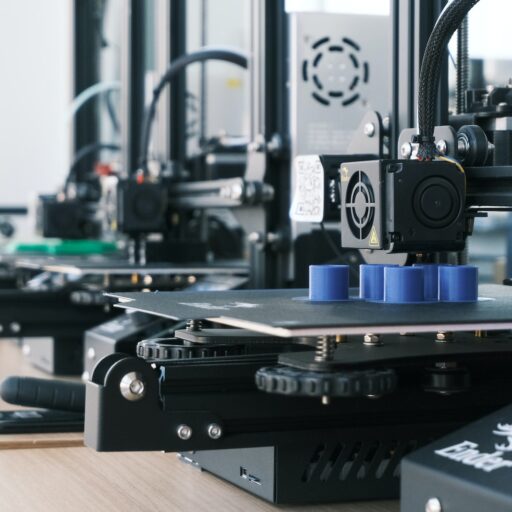
A 3D printer is a device that creates physical objects from digital designs. It works by adding material layer by layer until the object is complete. With a 3D printer, you can bring your ideas to life and create custom objects for various purposes.
CHECK PRICE on:
Quick Tips and Facts
- 3D printing is also known as additive manufacturing because it adds material layer by layer to create an object.
- The process of 3D printing involves creating a digital design, slicing it into layers, and then printing each layer on top of another.
- There are different types of 3D printing technologies, including FDM, SLA, SLS, and more, each with its own advantages and applications.
- 3D printing has revolutionized various industries, including consumer goods, medical, automotive, aerospace, and education.
- The global market for 3D printing products and services is expected to exceed 40 billion U.S. dollars by 2024.
Background
Now that we’ve covered the quick answer, let’s dive deeper into the background and history of 3D printing. Understanding the origins of this technology will give you a better appreciation for its capabilities.
3D printing has been around since the 1970s, but it gained significant attention and popularity in the 2000s with the development of additive manufacturing. The concept of creating physical objects from digital designs was groundbreaking, and it opened up a world of possibilities.
How Does 3D Printing Work?
To understand how 3D printing works, let’s break it down into simple steps:
-
Design: The first step is to create a digital design of the object you want to print. This can be done using 3D modeling software or by downloading pre-made designs from online repositories.
-
Slicing: Once you have your design, it needs to be sliced into thin layers. This is done using slicing software, which converts the 3D model into a series of 2D layers that the printer can understand.
-
Printing: Now it’s time to print! The 3D printer takes the sliced layers and starts building the object layer by layer. It does this by depositing or curing material, depending on the printing technology used.
-
Finishing: After the printing is complete, some objects may require post-processing to remove support structures or smooth rough surfaces. This step varies depending on the material and design of the object.
What Can Be 3D Printed?
The possibilities of 3D printing are virtually endless. Here are just a few examples of what can be 3D printed:
-
Prototypes: 3D printing is widely used in product development to create prototypes and test designs before mass production.
-
Customized Products: With a 3D printer, you can create personalized items such as phone cases, jewelry, and even custom-fit prosthetics.
-
Replacement Parts: Instead of waiting for a specific part to be shipped, you can 3D print it yourself, saving time and money.
-
Artistic Creations: Artists and designers use 3D printing to bring their imaginative creations to life, pushing the boundaries of what’s possible.
3D Printing in Various Industries
3D printing has made a significant impact in various industries. Let’s explore some of the key applications:
| Industry | Application |
|---|---|
| Consumer Goods | Customized products, home decor, and fashion accessories |
| Medical | Prosthetics, implants, surgical models, and personalized medicine |
| Automotive | Prototyping, spare parts, and lightweight components |
| Aerospace | Complex geometries, lightweight structures, and tooling |
| Dental | Crowns, bridges, aligners, and dental models |
| Architecture | Scale models, prototypes, and custom building components |
| Archeology | Replicas of artifacts and preservation efforts |
| Art Restoration | Repairing and recreating damaged or lost artworks |
| Forensics | Crime scene reconstruction and evidence analysis |
| Film | Props, costumes, and special effects |
| Education | Hands-on learning, prototypes, and STEM education |
How to Print with a 3D Printer?
Printing with a 3D printer may seem daunting at first, but with a little practice, it becomes second nature. Here are some general steps to get you started:
-
Prepare the Printer: Make sure your printer is properly calibrated and the print bed is clean and level.
-
Load the Filament: If you’re using a filament-based printer, load the filament into the printer’s extruder. Follow the manufacturer’s instructions for your specific printer model.
-
Prepare the File: Use slicing software to prepare your 3D model for printing. Adjust settings such as layer height, print speed, and infill density to achieve the desired result.
-
Start the Print: Transfer the sliced file to your printer and start the print job. Monitor the progress and make any necessary adjustments if needed.
-
Post-Processing: Once the print is complete, remove the object from the print bed and perform any necessary post-processing, such as removing support structures or sanding rough edges.
Where to Find 3D Printing Files?
There are numerous websites where you can find 3D printing files for free or purchase them. Here are some popular options:
These platforms offer a wide range of designs, from practical objects to artistic creations. Simply browse the categories or use the search function to find the perfect design for your needs.
FAQ

What is 3D printing in simple terms?
3D printing is a process of creating physical objects from digital designs by adding material layer by layer. It allows you to turn your ideas into reality and create custom objects for various purposes.
Read more about “… What is a 3D Printer in Simple Terms?”
How do you explain 3D printing to a child?
To explain 3D printing to a child, you can say that it’s like using a special machine that can create toys or objects by adding material layer by layer. It’s like magic, but it’s actually science!
What can a beginner do with a 3D printer?
As a beginner, you can start by printing simple objects like keychains, phone stands, or small toys. It’s a great way to learn the basics of 3D printing and get familiar with your printer.
Read more about “… How to Choose a 3D Printer? – Best 3D Printer™”
How does 3D printing work simply explained?
In simple terms, 3D printing works by taking a digital design and printing it layer by layer using a special machine called a 3D printer. The printer adds material, such as plastic or resin, to create a physical object that matches the digital design.
Conclusion
In conclusion, a 3D printer is a powerful tool that allows you to bring your ideas to life. Whether you’re a hobbyist, designer, or professional, 3D printing offers endless possibilities for creativity and innovation. With the right printer and a little practice, you can create custom objects for various purposes. So why wait? Dive into the world of 3D printing and unleash your imagination!
For more information on 3D printers, check out our 3D Printer Reviews and explore the top 3D Printer Brands. If you’re interested in 3D printers for small businesses or education, we’ve got you covered too with our dedicated categories: 3D Printers for Small Businesses and 3D Printers for Education.
Recommended Links
- CHECK PRICE on:
- Shop Raise3D on:
Reference Links